we can't guarantee the complete accuracy on a day-to-day
Filters
Interest free period
Annual fees
Benefits
Network
Product Statistics
A complete breakdown of all data points across the products in this comparison to help you make the right decision.
Cash back
5 (71.4%)
Rewards
5 (71.4%)
Secured
3 (42.9%)
Personal
7 (100%)
Balance transfer
1 (14.3%)
Annual fee
$0 - $35 ($5.83)
APR range
14.99% - 29.99% (24.62%)
Interest free period
21 - 25 (23.57)
Base reward rate
1% - 2% (1.5%)
Extended warranty
1 (14.3%)
Minimum age
18 - 18 (18)
Statistics based on 7 Credit cards products in our database.
CompanyLowestHighest
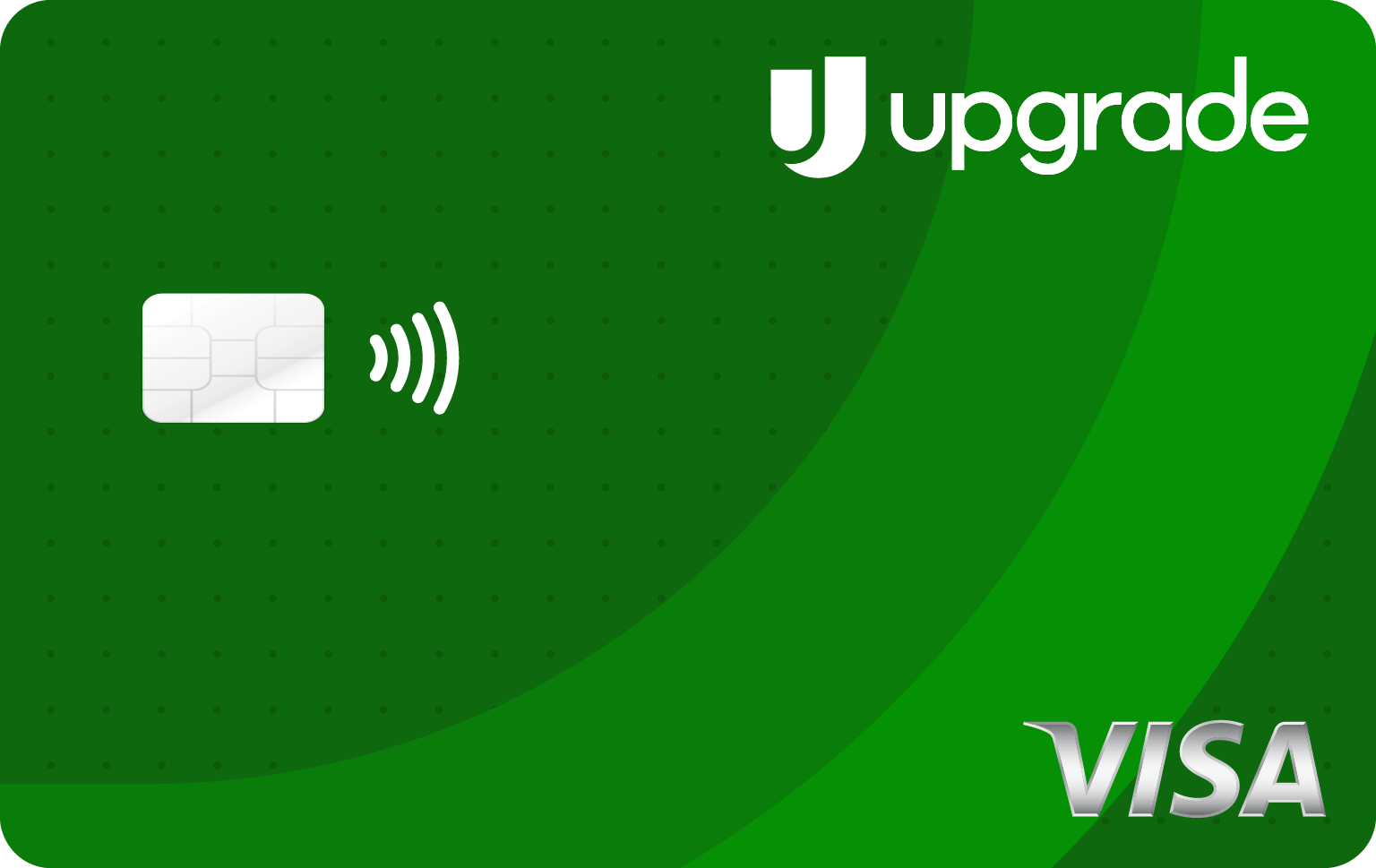
Upgrade14.99%29.99%
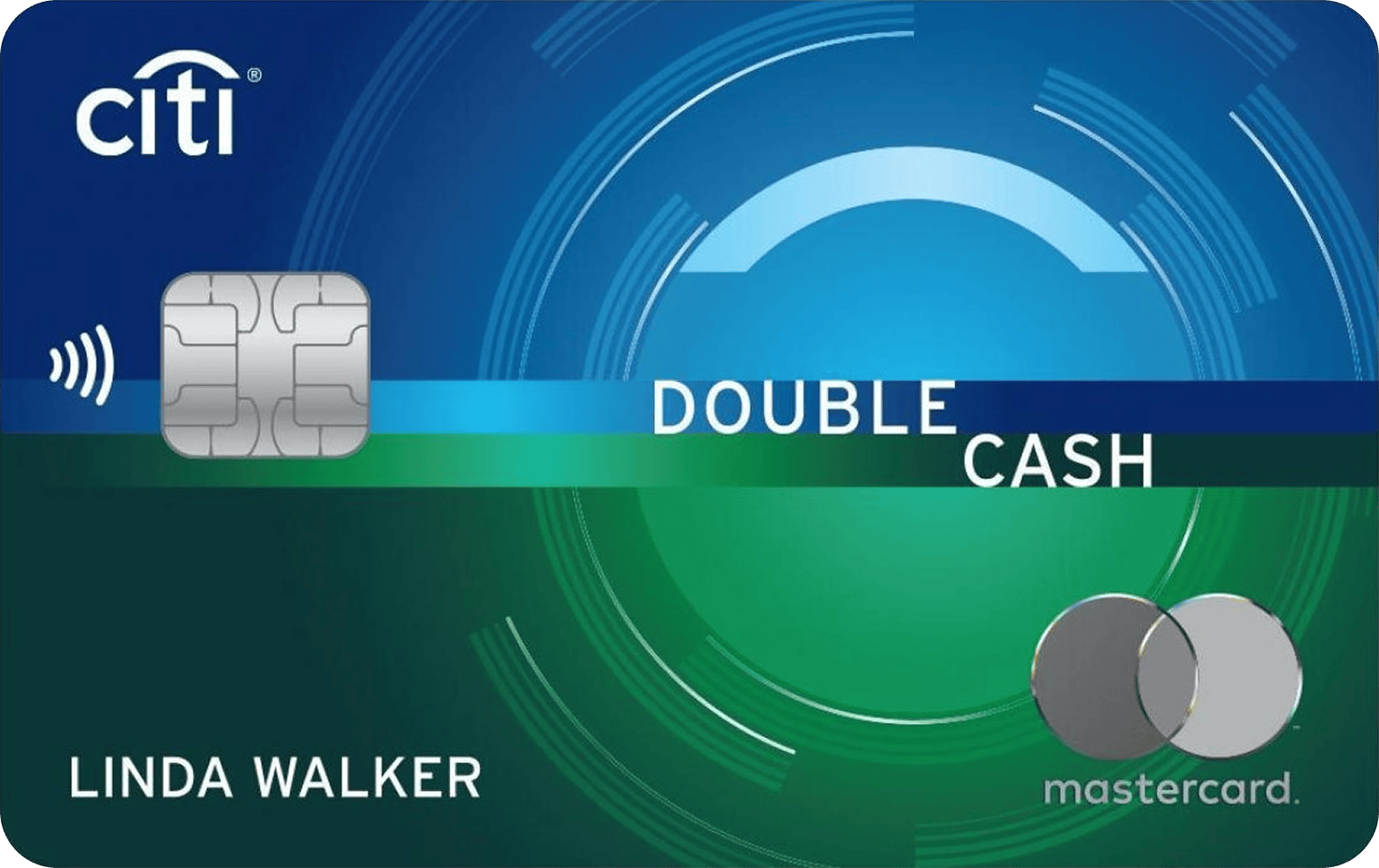
Citi17.49%27.49%
Capital One18.49%28.49%
OpenSky23.89%23.89%
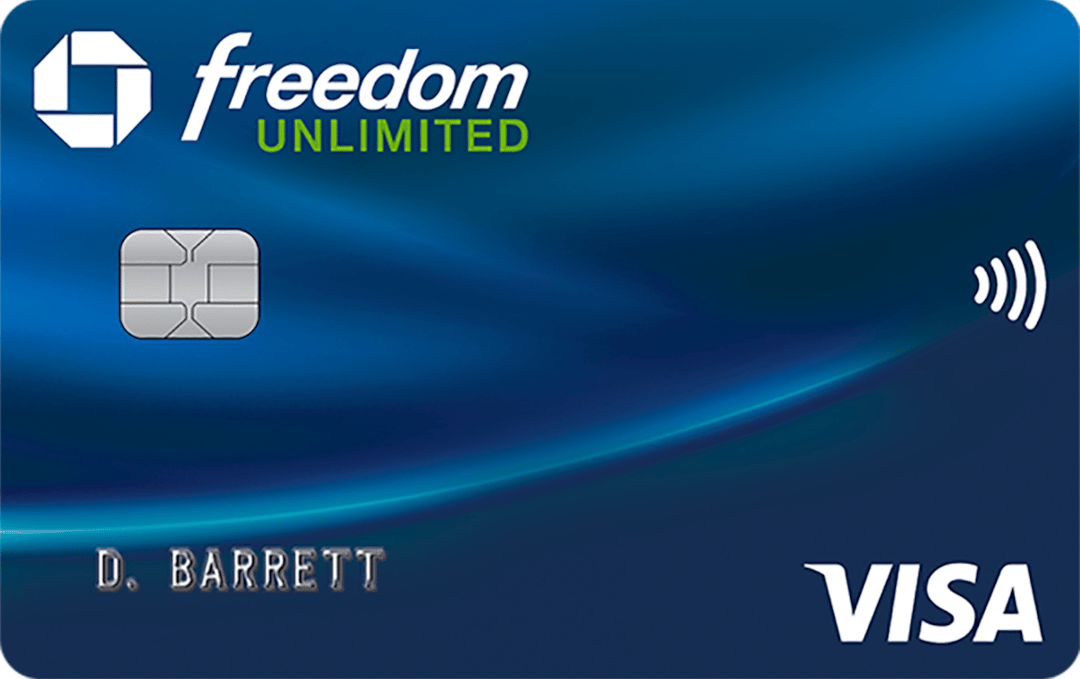
Chase18.24%27.74%
Capital One29.74%29.74%
Discover27.24%27.24%
APR range
See how rates compare across all providers. The bars show the range between lowest and highest rates offered by each company.
Historical Best credit score apps Interest Rates
Average rates tracked monthly across 1 providers
Average rates tracked monthly across 1 providers
Average
Lowest
Highest
Aug 2025
21.31%
15.25%
26.31%
Sep 2025
21.65%
15.32%
26.65%
Oct 2025
21.88%
15.37%
26.88%
Nov 2025
21.94%
15.38%
26.94%
Dec 2025
21.77%
15.35%
26.77%
Jan 2026
21.4%
15.27%
26.4%
Feb 2026
20.87%
15.17%
25.87%
Mar 2026
20.28%
15.05%
25.28%
Apr 2026
19.73%
14.94%
24.73%
May 2026
19.32%
14.86%
24.32%
Jun 2026
19.11%
14.81%
24.11%
Jul 2026
19.13%
14.82%
24.13%
Aug 2026
19.99%
14.99%
24.99%
Current Average19.99%↑ 0.86pp
Lowest Available14.99%
Highest Available24.99%
Providers Tracked1
Financer's Choice
Top Rated
Upgrade
APRs range from 7.74% to 35.99%. Origination fees of 1.85% to 9.99% are deducted upfront, which is higher than average. No prepayment penalties. Checking account holders receive up to 20% rate discounts.
Support available by phone and email with generally prompt responses. No live chat option. Customer service reps are knowledgeable about loan terms and the application process.
Repayment terms of 24-84 months with transparent fee disclosures. Joint applications and secured loan options add flexibility. Lowest rates require Autopay and direct creditor payments.
A+ BBB rating. Users praise the fast application and quick funding. Some complaints about credit line decreases and account closures. Overall, the majority report positive experiences.
Get exclusive conditions from the best financial companies
Best credit score apps in 2026
The best credit score apps for most people are Credit Karma for free everyday monitoring, Experian for a free FICO Score 8, myFICO for paid three-bureau FICO detail, WalletHub for daily TransUnion monitoring, and Chime Credit Builder if you need an app that helps build credit instead of only tracking it.
That first sentence matters because the answer is not one single app. It depends on what score you need. Most free apps show VantageScore 3.0 or 4.0, while many lenders still use a FICO version. Both usually run from 300 to 850, but the math is different.
So if you just want to watch trends, a free app is enough. If you are getting ready for a mortgage, auto loan, or major credit application, pay closer attention to FICO versions and all three bureaus. The CFPB also makes one thing clear: checking your own credit report does not hurt your score.
If you need a quick refresher before choosing an app, start with our guide to what a good credit score is. Then use the matrix below to match the app to the job.
Best credit score app picks by use case
Here is the practical ranking we would use ourselves. It is built around cost, bureau coverage, score model, update frequency, monitoring alerts, identity-protection features, and whether the app actually helps you act on the data.
We did not rank apps higher just because they have more upsells. In fact, that is one of the biggest catches with free credit apps. If the product is free, the app usually makes money from product recommendations, card offers, loan matches, premium monitoring, or partner referrals. That can still be a fair trade, but you should know what is happening.
App
Best for
Free score model
Bureau coverage
Cost
Main catch
Credit Karma
Best free credit score app for everyday tracking
VantageScore 3.0
Equifax and TransUnion
$0
No Experian score and not a FICO score
Experian
Best free FICO app
FICO Score 8
Experian free; three-bureau monitoring with paid plans
$0; Premium about $24.99/mo
Experian-first view unless you pay
myFICO
Most accurate credit score app for FICO-heavy decisions
FICO Score 8 and other FICO versions by plan
One or three bureaus by plan
$0, $19.95, $29.95, or $39.95/mo
Expensive if you only need casual monitoring
WalletHub
Best daily TransUnion monitoring
VantageScore
TransUnion
$0
Single-bureau view
Credit Sesame
Best simple TransUnion tracking with premium upgrade
VantageScore 3.0
TransUnion free; premium options add more
$0; paid tiers vary
Free version is not three-bureau
Chime Credit Builder
Best app to build credit from a thin file
FICO monitoring in app
Reports card activity to all three bureaus
$0 monthly fee for the credit-builder card
Requires using Chime's secured-card ecosystem
Capital One CreditWise
Best free add-on if you already use Capital One
FICO Score 8 per current Capital One page
TransUnion report
$0
Not a full three-bureau monitoring product
How we ranked these apps
A good credit score app should do more than flash a number at you. The number matters, but the context matters more.
Here is what we weighted most heavily:
Ranking criteria
Score model shown: FICO vs VantageScore, plus whether the app explains that lenders may use a different version.
Bureau coverage: One bureau is enough for trend tracking. Three bureaus are better before a mortgage, auto loan, apartment application, or fraud cleanup.
Cost: Free is useful only if the free tier gives you enough data to act. Paid plans need to justify the monthly fee.
Update frequency: Daily updates are useful for monitoring changes. They are less important if your lenders report only once a month.
Alerts and monitoring: The best credit monitoring app should flag new accounts, hard inquiries, address changes, major balance changes, and suspicious activity.
Action tools: Simulators, dispute links, Experian Boost, credit-builder cards, rent reporting, and report summaries can help if they are used correctly.
Transparency: We prefer apps that clearly tell you which bureau and scoring model they use. Hiding that detail is a trust problem.
Accuracy depends less on the app logo and more on the bureau, score model, and freshness of the credit data behind the number.
Andrei BerceaFinancer US
Credit Karma: best free app for everyday monitoring
Credit Karma is still the easiest recommendation for most people who want a free dashboard. It gives you free credit scores from Equifax and TransUnion using VantageScore 3.0. You also get report summaries, alerts, and personalized product recommendations.
The strength is coverage across two bureaus at no cost. That makes it useful for spotting changes, checking whether balances have updated, and seeing whether an account appears on one bureau but not another.
The catch is the score model. Credit Karma does not show the FICO score most lenders talk about. That does not make it useless. It just means you should treat it as a trend tracker, not the final number a lender will use.
Credit Karma is our pick for the best free credit score app if your main goal is staying aware month to month. It is not our pick for mortgage prep.
Experian: best free app for a real FICO score
Experian is the best app to check credit score data if you specifically want a free FICO Score 8 based on Experian data. That is a big difference from most free apps, which show VantageScore.
The free account also gives you Experian credit monitoring and access to dispute tools. Experian Boost can add eligible positive payment history, such as certain utilities or subscriptions, to your Experian file. It can help some people, but not everyone gets a score increase, and not every lender uses scores affected by Boost.
The paid identity and credit-monitoring products add broader monitoring and identity features. Experian's current Premium identity-protection offer is listed at about $24.99 per month after a trial.
Use Experian if you want a free FICO view and an Experian-centered report. Pair it with Credit Karma or WalletHub if you also want TransUnion and Equifax visibility without paying.
myFICO: best paid app before a major loan
myFICO is the serious tool. It is built by the company behind FICO scores, and its paid plans are the clearest way to see multiple FICO versions from the major bureaus.
That matters before a mortgage, car loan, refinance, or any application where the lender is likely to care about a specific FICO version. myFICO's plans currently renew monthly at $0 for Free, $19.95 for Basic, $29.95 for Advanced, or $39.95 for Premier.
This is overkill for casual monitoring. If you just want to know whether your score is moving up or down, a free app is enough.
But if you are two or three months away from applying for a mortgage, myFICO is the most accurate credit score app for understanding the FICO side of the picture. It still cannot promise the exact score every lender will use, because lenders can choose different versions and rules.
WalletHub: best daily TransUnion app
WalletHub's strongest pitch is simple: free daily updates based on TransUnion data. If you are watching for a new account, hard inquiry, dispute result, or balance update, that frequency is useful.
It is also helpful if you like a simple timeline of credit-report changes. Many users do not need a giant identity-theft bundle. They need to know what changed and when. WalletHub is good at that job.
The catch is bureau coverage. A TransUnion-only view can miss something that appears first at Experian or Equifax. That is why we would not rely on WalletHub alone before a major application.
Still, for daily TransUnion monitoring at $0, WalletHub earns its place near the top.
Credit Sesame: best simple TransUnion tracker
Credit Sesame is a clean option if you want a free TransUnion-based VantageScore 3.0, report summary, and alerts without doing much setup. It is easy to understand, which matters. A credit app you actually check is better than a more powerful app you ignore.
The free version is enough for basic trend tracking. Paid Credit Sesame+ terms currently show one-bureau and three-bureau memberships at standard monthly rates such as $12.99 and $24.99, depending on the plan.
Credit Sesame is not the strongest app for FICO detail. It is also not the one we would choose for mortgage prep.
But for someone asking for the best app to check credit score changes without paying, it belongs on the shortlist.
Chime Credit Builder: best app to build credit
Chime is different from the other names on this list. It is not just a score dashboard. Chime Credit Builder is a secured card ecosystem that can report payment activity to Equifax, Experian, and TransUnion.
That makes it useful for people with a thin file, no score, or a damaged file who need positive payment history. You can also monitor a score inside the app, but the bigger value is the reporting behavior.
If your goal is only to watch your number, pick Credit Karma, Experian, WalletHub, or Credit Sesame. If your goal is to create reportable activity, Chime is closer to a secured credit card than a pure monitoring app.
That distinction matters. Score apps show the scoreboard. Credit-builder products can help create new scoring data, assuming you use them responsibly.
Issuer apps: good add-ons, not full replacements
Capital One CreditWise, Discover Scorecard, Amex MyCredit Guide, and similar issuer tools can be excellent extras. Some show FICO Score 8. Some show VantageScore. Some are available to non-cardholders, while others are tied to an account relationship.
Use them, but check the fine print inside the app. You want to know three things: the bureau, the scoring model, and the update schedule.
Issuer tools are especially useful before you apply for a card from the same ecosystem. For example, if you are comparing soft pull credit cards, a free issuer score and prequalification check can help you avoid unnecessary hard inquiries.
They should not be your only source if you are trying to check all three bureaus for errors.
FICO vs VantageScore: why your app number differs
This is the part most people miss. Credit scores are not stored in a vault somewhere. They are calculated from credit-report data using a scoring model. Change the bureau, model, version, or date, and the score can change.
FICO Score 8, FICO Score 9, FICO Auto Score, FICO Bankcard Score, VantageScore 3.0, and VantageScore 4.0 can all look at similar data and produce different numbers. That is normal.
So when someone says, "Credit Karma is wrong," what they usually mean is that Credit Karma's VantageScore did not match a lender's FICO score. That is not the same thing as being fake. It is a different model.
This is also why a credit score app Reddit search can be useful, but only to a point. Reddit is good for spotting common complaints. It is not a substitute for knowing the bureau and score model behind the number.
If your app score moved and you are trying to understand timing, our guide on how often credit scores update explains why your app, card issuer, and lender may update on different days.
Source
Usually best for
Watch out for
FICO from Experian
Free FICO Score 8 based on Experian data
One-bureau view unless upgraded
FICO from myFICO
Major loan prep and multiple FICO versions
Monthly subscription cost
VantageScore from Credit Karma
Free Equifax and TransUnion trend tracking
Not the FICO score most lenders reference
VantageScore from WalletHub
Daily TransUnion monitoring
Single-bureau perspective
Issuer score tools
Extra context from a bank or card issuer
Model and bureau vary by issuer
Who should use which app?
If we had to make the choice practical, this is how we would split it.
Our practical recommendations
Best free everyday setup: Credit Karma plus Experian. You get Equifax, TransUnion, and a free Experian-based FICO Score 8 without paying.
Best paid setup before a mortgage or auto loan: myFICO for the FICO versions and three-bureau depth that free apps usually do not provide.
Best daily monitoring: WalletHub for TransUnion changes, paired with AnnualCreditReport.com for periodic full-report checks.
Best simple app for beginners: Credit Sesame if you want a clean free score view and basic alerts without much complexity.
Best app to build credit: Chime Credit Builder if you need a secured-card style product that reports to all three bureaus.
Best for credit-card shoppers: Experian, CreditWise, issuer prequalification tools, and our credit cards for low credit score guide if you are rebuilding.
How to raise your score with these apps
A credit score app will not fix your credit by itself. It can show you where the leak is. You still need to do the boring work.
Here is the playbook we would follow.
Use the app as a credit improvement system
Check all three reports first
Use AnnualCreditReport.com or the bureau apps to review Equifax, Experian, and TransUnion. Do not assume one app sees everything.
Turn on alerts
Enable alerts for new accounts, hard inquiries, major balance changes, address changes, and suspicious activity. Alerts are where credit monitoring becomes useful.
Track utilization before the statement closes
If a credit card balance reports high, your score can drop even if you pay in full by the due date. Keep reported utilization low, ideally under 10% when possible.
Dispute real errors, not accurate negatives
Use the dispute tools if an account, balance, date, or late payment is wrong. Do not waste time disputing accurate negative items just because you dislike them.
Use builders only when they fit
Experian Boost, rent reporting, secured cards, and credit-builder cards can help some users. They are not magic. Read the terms and check which bureaus receive the data.
How free credit score apps make money
Free does not mean charity. Most free credit score apps make money through product recommendations, card matches, loan offers, insurance referrals, premium monitoring, or identity-protection subscriptions.
That is not automatically bad. A free app can still give you useful data. But it means you should treat every recommendation as an advertisement until proven otherwise.
Before applying for anything inside a credit score app, compare the offer outside the app too. Check the annual fee, APR, rewards, eligibility, and whether prequalification uses a soft pull.
myFICO is the best paid choice if you need FICO-specific detail before a major loan. Experian is the best free option for a FICO Score 8 based on Experian data. No app is perfectly accurate for every lender because lenders choose different bureaus, score models, and score versions.
What is the best free credit score app?
For most people, the best free setup is Credit Karma plus Experian. Credit Karma gives you free Equifax and TransUnion VantageScore 3.0 data, while Experian gives you a free Experian-based FICO Score 8.
Does checking my credit score in an app hurt my score?
No. Checking your own credit score or credit report is a soft inquiry and does not hurt your score. A hard inquiry usually happens when you apply for a loan, credit card, mortgage, or another credit product.
Why is my Credit Karma score different from my FICO score?
Credit Karma shows VantageScore 3.0 based on Equifax and TransUnion data. Many lenders use a FICO version instead. Different bureau data, scoring models, versions, and update dates can all produce different scores.
Which app shows all three credit bureaus?
Free apps usually do not show all three bureaus in one place. Paid myFICO plans and paid bureau monitoring products can provide broader three-bureau coverage. You can also check your full credit reports from Equifax, Experian, and TransUnion through AnnualCreditReport.com.
What is the best app to build credit?
Chime Credit Builder is a strong option if you need a secured-card style product that reports payment activity to all three bureaus. If you already have a credit card, the better move may be keeping utilization low and paying on time instead of opening something new.
Are credit score apps safe?
Major apps can be safe when you use strong passwords, multifactor authentication, and official app stores. The bigger practical risk is misunderstanding the score or applying for recommended products without comparing terms outside the app.