A
Anonymous
Financial expert · Financer


Most major credit card issuers in the U.S. pull your Experian credit report when you apply for a card. American Express does it roughly 90% of the time, and Bank of America about 80%. Chase, Citi, and Discover lean heavily on Experian too.
But here's the catch: no issuer uses Experian exclusively for approval. The bureau they check can change based on your state, the specific card you're applying for, and sometimes just the day of the week. So while knowing which credit cards use Experian for approval gives you a useful edge, it's not a guarantee.
Experian is one of the three major credit bureaus in the United States, alongside Equifax and TransUnion. These bureaus collect data on your borrowing history, including open accounts, payment records, balances, and hard inquiries.
When you apply for a credit card, the issuer pulls your credit report from one or more of these bureaus. Experian doesn't issue credit cards or make lending decisions. They simply provide the data that issuers use to evaluate your creditworthiness.
Experian tends to be the most-pulled bureau for credit card applications. Data from thousands of user-reported pulls show that the majority of top issuers default to Experian, though they often check a second bureau as well.
Here's a breakdown of the major issuers and how often they use Experian based on reported application data.
American Express pulls Experian roughly 90% of the time. In rare cases, they'll also check TransUnion, but Experian is their go-to.
Bank of America uses Experian for about 80% of applications. Occasionally they'll double up with an Equifax or TransUnion pull, especially in certain states.
Chase predominantly pulls Experian. Some applicants report Equifax pulls, particularly in the Midwest and certain Southern states.
Citi relies on Experian for over 50% of reported pulls. Many applications also trigger an Equifax check, and some states see both pulled simultaneously.
Discover usually pulls Experian, with Equifax as a secondary option depending on your location.
Wells Fargo is an Experian-first issuer, though some states trigger a dual pull with Equifax.
Capital One is the exception among major issuers. They typically pull from all three bureaus (Experian, Equifax, and TransUnion) for every application.
| Issuer | Primary Bureau | Secondary Bureau | Notes |
|---|---|---|---|
American Express | Experian (~90%) | TransUnion | Rarely pulls a second bureau |
Bank of America | Experian (~80%) | Equifax/TransUnion | May double-pull in some states |
Chase | Experian | Equifax | Equifax more common in Midwest |
Citi | Experian (~52%) | Equifax | Often pulls both |
Discover | Experian | Equifax | Location-dependent |
Wells Fargo | Experian | Equifax | Dual pull in select states |
Capital One | All three | N/A | Always pulls Experian, Equifax, and TransUnion |
If your Experian score is your strongest, these popular cards are worth considering. Each one frequently uses Experian for approval decisions.

The Upgrade Cash Rewards Visa gives you 1.5% cash back on every purchase with no annual fee. What makes it different from traditional credit cards is that your monthly balance converts into a fixed-rate installment payment, so you always know exactly what you owe.
Upgrade is known for pulling Experian and is a solid option if you want predictable payments combined with rewards.
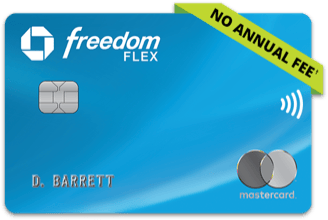
The Chase Freedom Flex is one of the strongest cash-back cards on the market, with rotating 5% bonus categories each quarter (up to $1,500 in purchases per quarter, then 1%). You also earn 5% on travel booked through Chase Travel, 3% on dining and drugstores, and 1% on everything else.
Chase predominantly pulls Experian, making this a strong pick if your Experian score is solid.
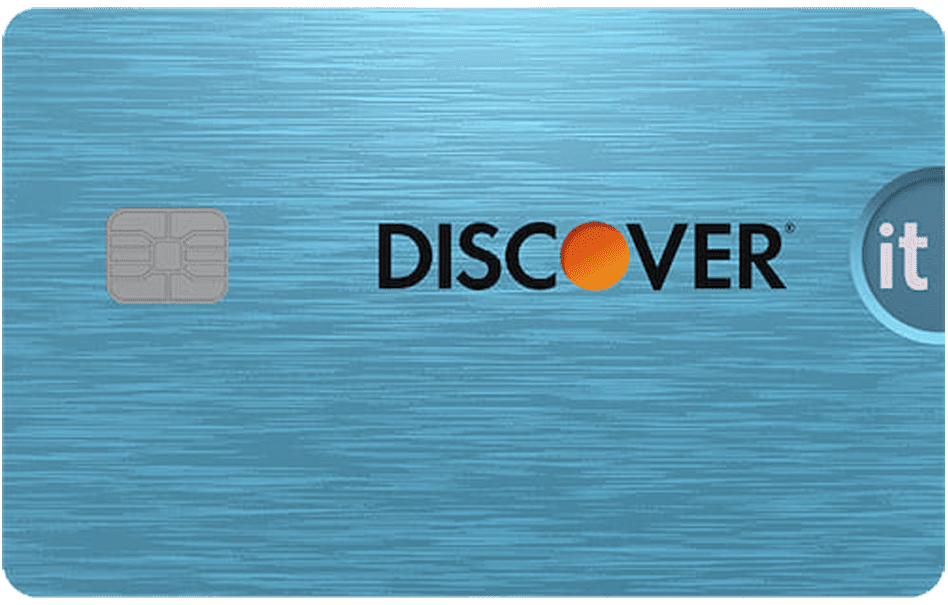
The Discover it Cash Back card offers 5% cash back on rotating quarterly categories (like grocery stores, restaurants, and gas stations) on up to $1,500 in purchases, plus 1% on all other spending. The standout feature is the first-year cash back match: Discover automatically doubles all the cash back you earn during your first 12 months.
Discover typically pulls Experian, sometimes Equifax.

The Chase Sapphire Reserve is a premium travel rewards card that earns 8x points on travel booked through Chase Travel, 4x on flights and hotels booked directly, 3x on dining worldwide, and 1x on everything else. It includes a $300 annual travel credit and Priority Pass airport lounge access.
Chase pulls Experian for the vast majority of Sapphire Reserve applications.
For most applicants, no. Your credit scores from Experian, Equifax, and TransUnion are usually within a few points of each other, because they all receive similar data from your lenders.
Small differences (5 to 15 points) between bureaus are normal and rarely affect approval decisions. Issuers also look at your income, existing debt, and payment history alongside your score.
However, if you notice a large gap between your bureau scores (30+ points), that could signal an error on one of your reports. You're entitled to a free credit report from each bureau every week through AnnualCreditReport.com. Checking all three before applying for a new card is a smart move.
Compare offers and find your perfect credit card match in 2026 in just 2 minutes – personalized recommendations based on your spending habits!
Compare credit cards now!Knowing which credit cards use Experian can help you apply smarter. Here's how:
Check your Experian score first. Before applying for any card from an issuer that predominantly pulls Experian, review your Experian report for errors and know your score. You can get a free score through Experian's website or many banking apps.
Use Experian pre approved credit cards tools. Experian offers a CreditMatch feature that shows you which lenders use Experian only or primarily, along with your estimated approval odds. This soft-pull check won't affect your score.
Time your applications. If you recently paid down a balance, wait until it reports to Experian before applying. Most creditors report to the bureaus once per month.
Target the right issuer for your score range. If your Experian score is higher than your other bureau scores, apply with issuers that favor Experian (Chase, Amex, BofA). If your TransUnion or Equifax scores are stronger, you may want to look at issuers that pull from those bureaus instead.
Don't apply everywhere at once. Each application generates a hard inquiry on your Experian report, which can temporarily lower your score by 5 to 10 points. Space out applications by at least 90 days.
There's no such thing as an "Experian credit card" or an "Equifax credit card." Credit bureaus don't issue cards. When people search for credit cards that use Experian, what they really want to know is which issuers tend to pull from which bureau.
If you want to explore cards that pull from other bureaus, check out our guides on credit cards that use Equifax and credit cards that use TransUnion.
The bottom line: focus on building strong credit across all three bureaus. Pay your bills on time, keep your credit utilization below 30%, and avoid opening too many accounts in a short period. These habits will serve you well no matter which bureau an issuer checks.
Major issuers that frequently pull Experian include American Express (~90% of the time), Bank of America (~80%), Chase, Citi, Discover, and Wells Fargo. Capital One pulls from all three bureaus. The specific bureau can vary by state and card product.
Experian doesn't issue credit cards directly. However, they offer a CreditMatch tool that matches you with credit card offers based on your Experian credit profile. Many major issuers also let you check pre-approval odds through Experian's platform without a hard inquiry.
No credit card issuer uses Experian exclusively for every single application. However, American Express and Bank of America come closest, pulling Experian for the vast majority of their applications. The bureau pulled can still vary depending on your state of residence.
Yes. When you apply for a credit card, the issuer performs a hard inquiry on your credit report. If they pull Experian, that inquiry will appear on your Experian report and may lower your score by 5 to 10 points temporarily. The impact fades within a few months and the inquiry drops off after two years.
You can check your Experian credit score for free through Experian's website (experian.com), many banking apps, and credit monitoring services like Credit Karma. You can also get your full Experian credit report for free every week at AnnualCreditReport.com.
Do you have a question about this topic? Ask the community.
Email confirmed — your comment appears after review.
That link expired. Post your comment again.
Anonymous
Financial expert · Financer
Compare top cards
from 14.99% APR
7 options
11 min readCards
6 min readCards
7 min readCards
6 min readCards
7 min readCards
Join *Financer Stacks* - Your weekly guide to mastering money basics, stacking extra income, and creating a life where money works for you.