we can't guarantee the complete accuracy on a day-to-day
Filters
Interest free period
Annual fees
Benefits
Network
Product Statistics
A complete breakdown of all data points across the products in this comparison to help you make the right decision.
Cash back
5 (71.4%)
Rewards
5 (71.4%)
Secured
3 (42.9%)
Personal
7 (100%)
Balance transfer
1 (14.3%)
Annual fee
$0 - $35 ($5.83)
APR range
14.99% - 29.99% (24.62%)
Interest free period
21 - 25 (23.57)
Base reward rate
1% - 2% (1.5%)
Extended warranty
1 (14.3%)
Minimum age
18 - 18 (18)
Statistics based on 7 Credit cards products in our database.
CompanyLowestHighest
Upgrade14.99%29.99%
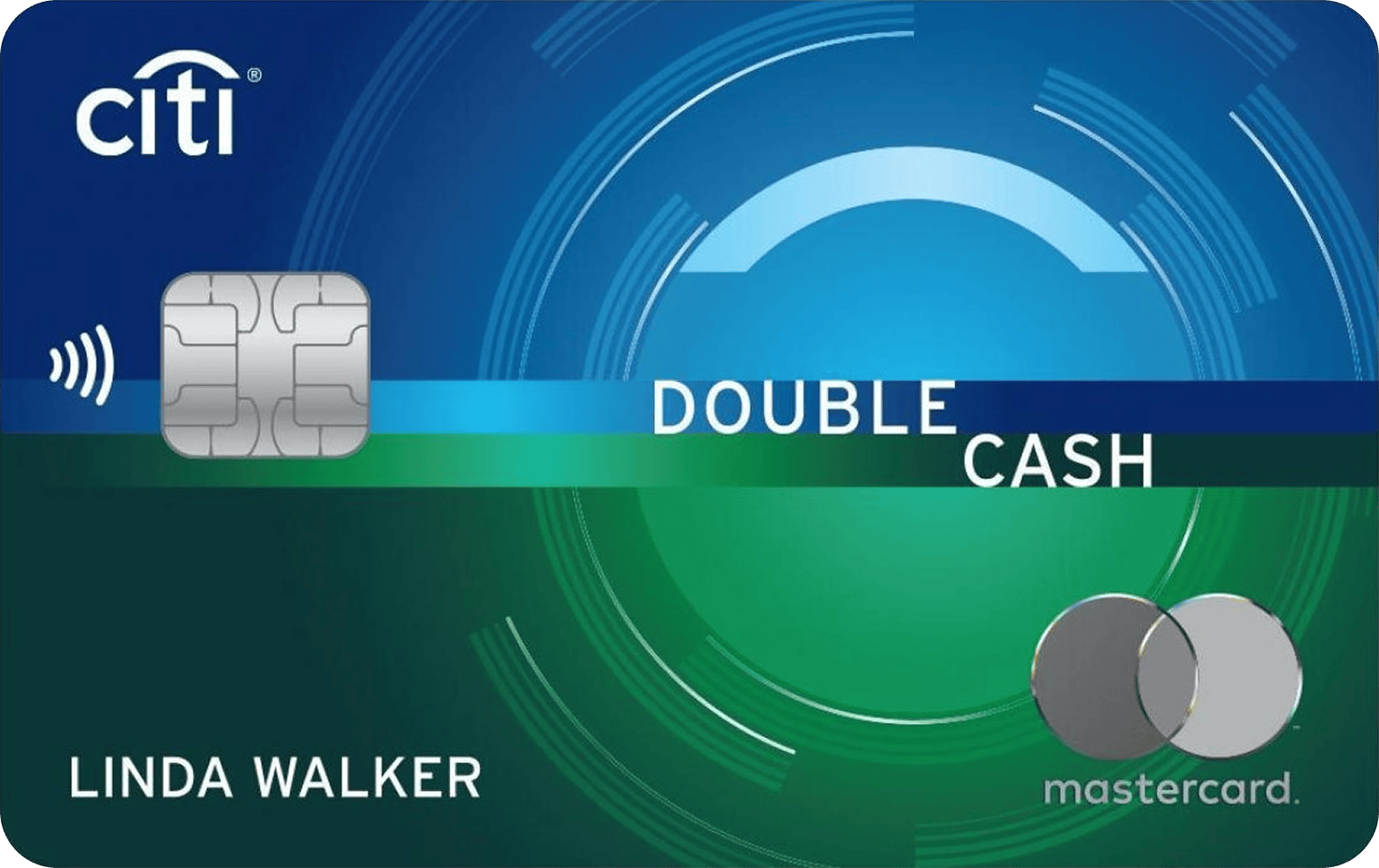
Citi17.49%27.49%
Capital One18.49%28.49%
OpenSky23.89%23.89%
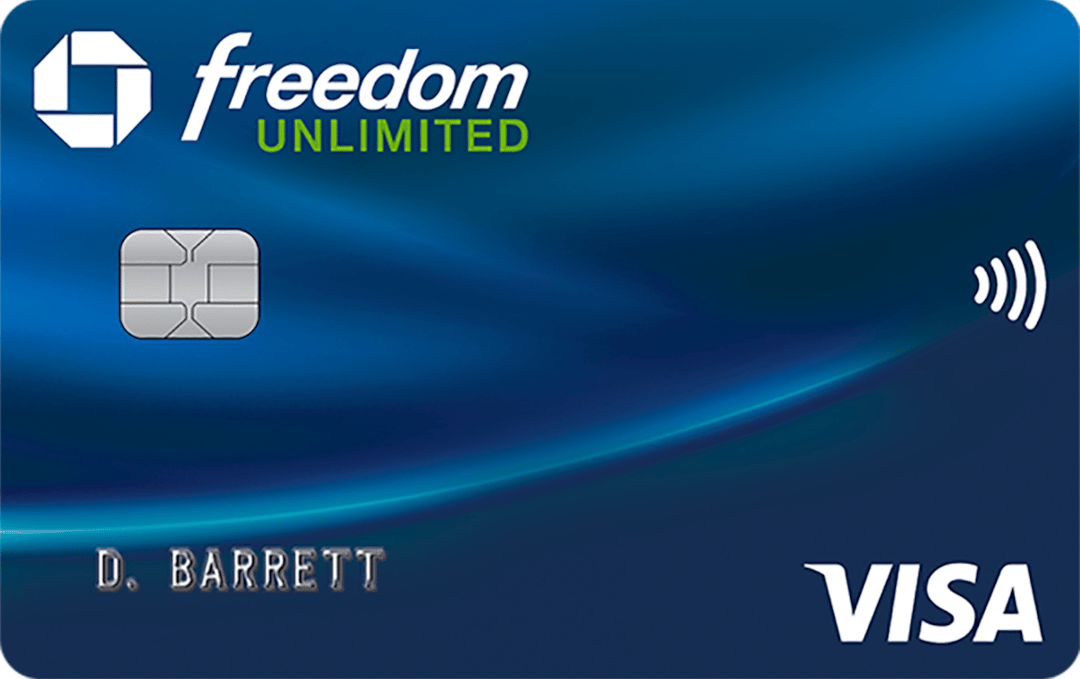
Chase18.24%27.74%
Capital One29.74%29.74%
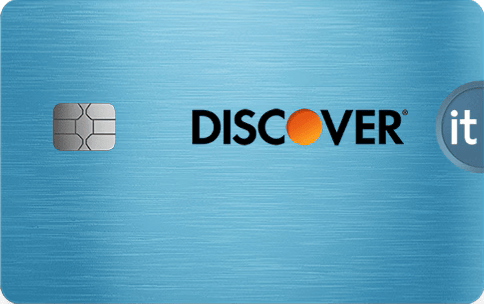
Discover27.24%27.24%
APR range
See how rates compare across all providers. The bars show the range between lowest and highest rates offered by each company.
Historical Best credit cards Interest Rates
Average rates tracked monthly across 1 providers
Average rates tracked monthly across 1 providers
Average
Lowest
Highest
Aug 2025
21.31%
15.25%
26.31%
Sep 2025
21.65%
15.32%
26.65%
Oct 2025
21.88%
15.37%
26.88%
Nov 2025
21.94%
15.38%
26.94%
Dec 2025
21.77%
15.35%
26.77%
Jan 2026
21.4%
15.27%
26.4%
Feb 2026
20.87%
15.17%
25.87%
Mar 2026
20.28%
15.05%
25.28%
Apr 2026
19.73%
14.94%
24.73%
May 2026
19.32%
14.86%
24.32%
Jun 2026
19.11%
14.81%
24.11%
Jul 2026
19.13%
14.82%
24.13%
Aug 2026
19.99%
14.99%
24.99%
Current Average19.99%↑ 0.86pp
Lowest Available14.99%
Highest Available24.99%
Providers Tracked1
Financer's Choice
Top Rated
Upgrade
APRs range from 7.74% to 35.99%. Origination fees of 1.85% to 9.99% are deducted upfront, which is higher than average. No prepayment penalties. Checking account holders receive up to 20% rate discounts.
Support available by phone and email with generally prompt responses. No live chat option. Customer service reps are knowledgeable about loan terms and the application process.
Repayment terms of 24-84 months with transparent fee disclosures. Joint applications and secured loan options add flexibility. Lowest rates require Autopay and direct creditor payments.
A+ BBB rating. Users praise the fast application and quick funding. Some complaints about credit line decreases and account closures. Overall, the majority report positive experiences.
Get exclusive conditions from the best financial companies
Before diving into our full comparison, let's save you time.
Our team at Financer spent over 15 hours researching and comparing more than 25 credit card issuers in the U.S. We analyzed everything from APRs and fees to rewards, credit limits, travel perks, and other bonuses.
Here are our top picks for 2026 based on real data, expert insight, and thousands of customer reviews:
Best Credit Card for Travelers: Chase Sapphire Reserve (8x points through Chase Travel, 4x on direct flights and hotels).
Best Credit Card for Building Credit: First Progress Platinum Elite Mastercard Secured.
Best Credit Card for Low APR:Upgrade Card (starting at 14.99% with no annual fee).
Want to know how we reached these conclusions or want to compare credit cards yourself? Scroll down to read our full credit card comparison or use our free tool to find the best card for your needs. Whether you're looking for the best credit cards for beginners or the best travel credit cards, we've got you covered.
Compare Credit Cards and Find the Best for You
We've reviewed 25+ credit cards - here's how they compare in terms of fees, APR, perks, and more.
Card Name
Annual Fee
APR
Max. Credit
Card System
Travel Insurance
Chase Sapphire Reserve Card
$795
19.49%
$10,000
Visa
Yes
First Latitude Platinum Mastercard® Secured Credit Card
$25
23.74%
$2,000
Master Card
No
OpenSky® Plus Secured Visa® Credit Card
$0
29.99%
$3,000
Visa
No
First Progress Platinum Elite Mastercard® Secured Credit Card
A credit card is a financial tool that lets you borrow money from a bank or card issuer to make purchases, whether online, in-store, or even for recurring bills. Instead of paying with your own money upfront, you're borrowing it and agreeing to repay it later.
Each credit card comes with a credit limit, which is the maximum amount you're allowed to spend. Every time you make a purchase, that amount is deducted from your available limit. At the end of your billing cycle, you'll receive a statement showing what you spent and how much you owe.
If you pay your balance in full by the due date, you usually won't owe any interest thanks to what's called the grace period, a window of time (typically 21 to 25 days) when purchases don't accrue interest. But if you carry a balance past that period, interest charges kick in and can add up quickly.
Aside from convenience, credit cards can offer benefits like rewards programs, travel perks, fraud protection, and the ability to build your credit score if used responsibly. The best rewards credit cards can earn you hundreds or even thousands of dollars annually in cashback, points, or travel benefits. However, if mismanaged, they can also lead to high-interest debt and financial stress.
So what is the best credit card? It depends entirely on your spending habits and financial goals. Understanding how credit cards work, and how to use them wisely, can make them a powerful financial ally rather than a costly burden.
Different Types of Credit Cards
Whether you're building credit, earning rewards, consolidating debt, or traveling the world, there's a credit card designed to meet your specific goals.
Before you choose, it's important to understand the different types of credit cards available and how each one works.
Below, we break down the main categories so you can easily compare features and find the one that fits your lifestyle best.
Standard Credit Cards: These are no-frills credit cards that come with a specified credit limit and standard fees. They usually do not offer rewards or benefits beyond the ability to make purchases. They are suitable for individuals looking for a basic credit option without the need for extras.
Balance Transfer Credit Cards: Designed for users with existing credit card debt, these cards allow the transfer of balances from high-interest cards, typically offering low or 0% introductory APR for a set period. This can significantly reduce the interest paid on the debt, making it easier to pay it down.
0% APR Credit Cards: These cards offer an introductory 0% interest rate on purchases and/or balance transfers for a specified duration, usually ranging from 6 to 21 months. This feature allows cardholders to make significant purchases or shift existing debts without accruing interest during the promotional period.
Soft Pull Credit Cards: These cards allow users to check their eligibility with a soft credit inquiry, which does not affect their credit score. This feature is beneficial for those looking to explore options without the risk of negatively impacting their credit standing before deciding to apply for a card.
Rewards Credit Cards: These cards allow users to earn points, or miles on every purchase. Points can be redeemed for travel, merchandise, gift cards, or statement credits. Different cards may offer varying reward structures, such as bonus points in specific categories (e.g., dining, groceries).
Cashback Credit Cards: Cashback cards provide a percentage of the spending amount back to the user, either as a direct cashback or as a statement credit. The cashback rate can differ by category, with some cards offering higher percentages for specific types of purchases like gas or online shopping.
Travel Credit Cards: Aimed at frequent travelers, these cards offer perks such as airline miles, hotel points, and travel insurance. Many also come with benefits like no foreign transaction fees, access to airport lounges, and travel-related discounts. Users can often redeem rewards for flights, hotel stays, or travel experiences.
Secured Credit Cards: These are designed for individuals looking to build or rebuild their credit. To obtain a secured card, users must provide a cash deposit that typically serves as their credit limit. Responsible usage of a secured card can help improve a credit score, making it easier to qualify for unsecured cards in the future.
Student Credit Cards: Specifically designed for college students, these cards help young adults start building credit history. They often feature lower credit limits and may offer rewards for purchases, such as cashback or points that can be redeemed for merchandise. They also typically have lower requirements for approval.
Low Interest Rate Credit Cards: These cards are ideal for users who may carry a balance from month to month. They come with lower annual percentage rates (APRs) compared to standard credit cards, which can result in significant savings on interest charges for those who don't pay their balance in full every month.
Business Credit Cards: Tailored for business expenses, these cards help separate personal and business financial transactions. They often provide rewards on business-related purchases, expense tracking tools, and features like employee cards. Many business cards also offer additional benefits like travel insurance and discounts on business services.
Store Credit Cards: Issued by specific retailers, these cards generally provide exclusive discounts, promotions, and rewards for shopping at the store. While they can save money on purchases, they often come with higher interest rates and limited usability outside the issuing retailer.
No matter which type of credit card you choose, most of them share a few key features that are important to understand:
Credit Limit - Every credit card comes with a set credit limit. This is the maximum amount you can spend on the card before needing to pay it down.
Interests - If you don't pay your full balance each month, interest charges may apply. Rates vary by card type and your credit score.
Rewards - Many cards offer rewards for everyday spending, such as cashback, points, or airline miles, which can be redeemed for travel, gift cards, or even statement credits.
Pros and Cons of Credit Cards
Credit cards are a common financial service, but the fact that many people use them doesn't mean they're right for you.
To help you decide, here's a list of pros and cons associated with the activation and use of a credit card.
Convenient Payments: Credit cards make shopping easier. You can buy things without carrying cash.
Builds Credit: Using a credit card responsibly can improve your credit score, making it easier to get loans in the future.
Rewards Programs: Many credit cards offer points, cashback, or travel rewards for your purchases, helping you earn benefits.
Emergency Funds: In case of unexpected expenses, a credit card can provide a safety net when you need it most.
Interest-Free Period: Most cards offer a grace period (usually 21-25 days) during which you can pay your balance in full and avoid interest charges.
Fraud Protection: Credit cards offer stronger fraud protection than debit cards, limiting your liability for unauthorized purchases.
High Interest Rates: If you don't pay your balance in full, you might owe a lot in interest, making your purchases more expensive.
Debt Risk: It's easy to overspend with a credit card, leading to debt that's hard to pay off.
Fees: Some credit cards come with annual fees or late payment fees, which can add to your costs.
Credit Score Damage: Missed payments or high balances can hurt your credit score, making future borrowing difficult.
Temptation to Overspend: Having access to credit can lead to impulse purchases and living beyond your means.
The Best Credit Card in 2026: Financer's Top Choice
The choice of the best credit card is highly personal. We love to travel a lot, and this is why this card is ideal for us. Please use this example just as a starting point for your analysis.
Always pick a credit card based on your own requirements and financial situation.
Chase Sapphire Reserve Card
Earn 75,000 bonus points when you spend $5,000 in the first 3 months.
$300 annual travel credit applied automatically.
19.49%-29.99% variable APR.
Earn 8x points through Chase Travel, 4x on direct flights and hotels, 3x on dining.
Check out the good and the bad of Chase Sapphire Reserve® Card:
High Rewards Rates: The card offers 8x points through Chase Travel, 4x on direct flights and hotels, and 3x on dining worldwide, letting frequent travelers rack up points fast.
Generous Sign-Up Bonus: New cardholders can earn 75,000 bonus points after spending $5,000 within the first three months, giving you a strong head start on travel rewards.
Annual Travel Credit: Cardholders receive a $300 annual travel credit that automatically applies to travel purchases, helping offset the annual fee.
Flexible Point Redemption: Points earned through Chase Ultimate Rewards can be redeemed for travel, merchandise, or cashback. You can also transfer points to airline and hotel loyalty programs at a 1:1 ratio.
Premium Travel Benefits: Access to 1,300+ airport lounges worldwide, Global Entry or TSA PreCheck fee reimbursement, trip cancellation and interruption insurance, and no foreign transaction fees.
$250 Credit for The Edit: Cardholders receive up to $250 in statement credits for prepaid bookings made through The Edit, Chase's premium travel experience program.
Strong Travel Protection: Trip delay reimbursement, auto rental collision damage waiver, and baggage delay insurance all come standard with the card.
High Annual Fee: At $795 per year (plus $195 per authorized user), this card demands significant travel spending to justify the cost.
High Spending Requirement for Bonus: You need to spend $5,000 within the first three months to earn the sign-up bonus, which may be a stretch for some budgets.
Complex Reward Structure: The tiered earning system (8x, 4x, 3x, 1x) can be confusing for people who are new to travel rewards or the Chase Ultimate Rewards ecosystem.
Potential for Overspending: The appeal of earning high point multipliers might push some cardholders to spend more than they should.
Requires Excellent Credit: The card typically requires a FICO score of 720 or higher, which rules out applicants with fair or rebuilding credit.
Points Tied to Account: If you close the account or let it go inactive for too long, you could lose accumulated points.
How To Select a Credit Card
Here's a helpful step by step guide on how to select your next credit card:
Identify Your Needs
Start by thinking about your financial habits and goals. Do you want to earn rewards for travel or cashback for everyday purchases? Or perhaps you need a card to help build your credit history. Consider whether you'll carry a balance or pay it off monthly, as this affects which features matter most.
Check Your Credit Score
Before you dive into applications, it's essential to check your credit score. Many services offer free credit reports. Knowing your score will help you determine which credit cards you are likely to qualify for and ensure you choose the right card for your credit level.
Research Your Options
Take the time to explore various credit cards available in the market. Look at major banks, credit unions, and online lenders. Compare their features like interest rates, rewards programs, and any special offers to find cards that align with your needs. You can easily do all of these by using our state-of-the-art comparing tool.
Read the Fine Print
Once you have a list of potential cards, it's crucial to read the terms and conditions carefully. Look for details about the interest rates (APR), how they change over time, and any fees associated with the card. Understanding these aspects can save you from unexpected costs later on.
Consider All Fees
Some credit cards come with additional costs. Check for annual fees, late payment fees, foreign transaction fees, and balance transfer fees. If you travel often, a card with no foreign transaction fee may be beneficial. Choose a card whose fee structure fits your spending habits to minimize extra costs.
Evaluate Rewards Programs
If you're looking for rewards, assess how the program works. Some cards offer cashback, while others give points that can be redeemed for travel or merchandise. Look for categories where you spend the most, like groceries or gas, to maximize your rewards.
Check Welcome Offers
Many credit cards offer enticing sign-up bonuses or introductory offers, such as 0% APR for the first few months. These promotions can provide significant value, so be sure to factor them into your decision. However, ensure you can meet any spending requirements associated with these bonuses.
Apply Strategically
Once you've narrowed down your choices, it's time to apply. You can usually apply online or in person at a bank. Be sure to fill out your application accurately and completely to avoid delays or denials. Consider applying for just one card at a time to minimize the impact on your credit score.
How Many Credit Cards Should You Have?
There's no one-size-fits-all answer to how many credit cards you should have. For some, one well-chosen card is enough. For others, managing multiple cards can offer greater rewards, flexibility, and credit-building opportunities.
What matters most is your ability to manage them responsibly - keeping up with payments, staying within limits, and avoiding unnecessary fees.
To help you decide, here are the main pros and cons of having multiple credit cards:
More Rewards: Different cards often have different rewards programs, so using multiple cards can help you maximize your cashback or points.
Higher Credit Limit: Having several cards can increase your overall credit limit, which may improve your credit score if you keep your balances low.
Credit Utilization: Multiple cards can help spread out your spending, keeping your credit utilization ratio lower, which is good for your credit score.
Backup Options: If one card is lost or stolen, having others ensures you can still make purchases without interruption.
Category Optimization: You can use different cards for different spending categories to maximize rewards in each area.
Managing Payments: It can be tricky to keep track of due dates and payments for multiple cards, increasing the risk of missed payments.
Potential Fees: Some credit cards have annual fees, so having many cards can lead to higher costs.
Debt Accumulation: More cards can lead to overspending, as it might be easy to forget how much you owe across all accounts.
Credit Score Impact: Each application can result in a hard inquiry on your credit report, which may temporarily lower your credit score.
Complexity: Managing multiple rewards programs, payment dates, and terms can become overwhelming.
Choosing the right credit card in 2026 comes down to understanding your spending habits and financial goals. With average credit card APRs sitting around 23.77% for new accounts, every percentage point matters.
Whether you're seeking travel rewards, building credit, or looking for low interest rates, there's a card designed for your needs. Focus on long-term value rather than flashy sign-up bonuses. Consider annual fees, ongoing APR, and benefits that align with how you actually spend.
Used responsibly, credit cards can be powerful financial tools that save money, earn rewards, and build your credit score. Pay on time, keep balances low, and avoid spending beyond your means.
Take time to compare options and choose a card that complements your lifestyle and strengthens your financial future.
Frequently Asked Questions
What Is a Credit Card?
A credit card lets you borrow money from a bank to make purchases, then repay it later. You get a set credit limit and receive a monthly statement. Pay your balance in full by the due date to avoid interest charges. Used responsibly, credit cards can help you build credit, earn rewards, and access fraud protection.
How Do Credit Cards Affect Your Credit Score?
Credit cards directly impact your FICO score. Making on-time payments and keeping your credit utilization low can boost your score over time. Opening a new card increases your total available credit, which can improve your utilization ratio. However, each application triggers a hard inquiry that may temporarily lower your score by 1-4 points.
What Are the Risks of Having a Credit Card?
The main risks are high-interest debt from carrying balances, overspending beyond your means, and potential credit score damage from missed payments. Too many applications in a short period can also raise red flags with credit bureaus. To minimize risk, always pay on time and keep your balance well below your credit limit.
How Long Does It Take To Get a Credit Card?
Most credit card applications are completed online in minutes. Many issuers offer instant approval, and you can typically receive your card within 1-3 business days with expedited shipping, or 7-14 business days with standard delivery.
How Can I Lower the Interest Rate on My Card?
Call your card issuer and ask directly for a lower rate, especially if you have a strong payment history. You can also search for promotional offers on your existing card and request that rate. If neither works, consider applying for a new card with a lower APR and transferring your balance.
Which Are the Top 5 Credit Cards Right Now?
Based on our research, the top picks for 2026 are: Chase Sapphire Reserve for travel rewards, Wells Fargo Active Cash for flat-rate cashback (2% on all purchases), Discover it Cash Back for rotating bonus categories, First Progress Platinum Elite Mastercard Secured for building credit, and Upgrade Card for low APR (starting at 14.99%).