we can't guarantee the complete accuracy on a day-to-day
Filters
Interest free period
Annual fees
Benefits
Network
Product Statistics
A complete breakdown of all data points across the products in this comparison to help you make the right decision.
Cash back
5 (71.4%)
Rewards
5 (71.4%)
Secured
3 (42.9%)
Personal
7 (100%)
Balance transfer
1 (14.3%)
Annual fee
$0 - $35 ($5.83)
APR range
14.99% - 29.99% (24.62%)
Interest free period
21 - 25 (23.57)
Base reward rate
1% - 2% (1.5%)
Extended warranty
1 (14.3%)
Minimum age
18 - 18 (18)
Statistics based on 7 Credit cards products in our database.
CompanyLowestHighest
Upgrade14.99%29.99%
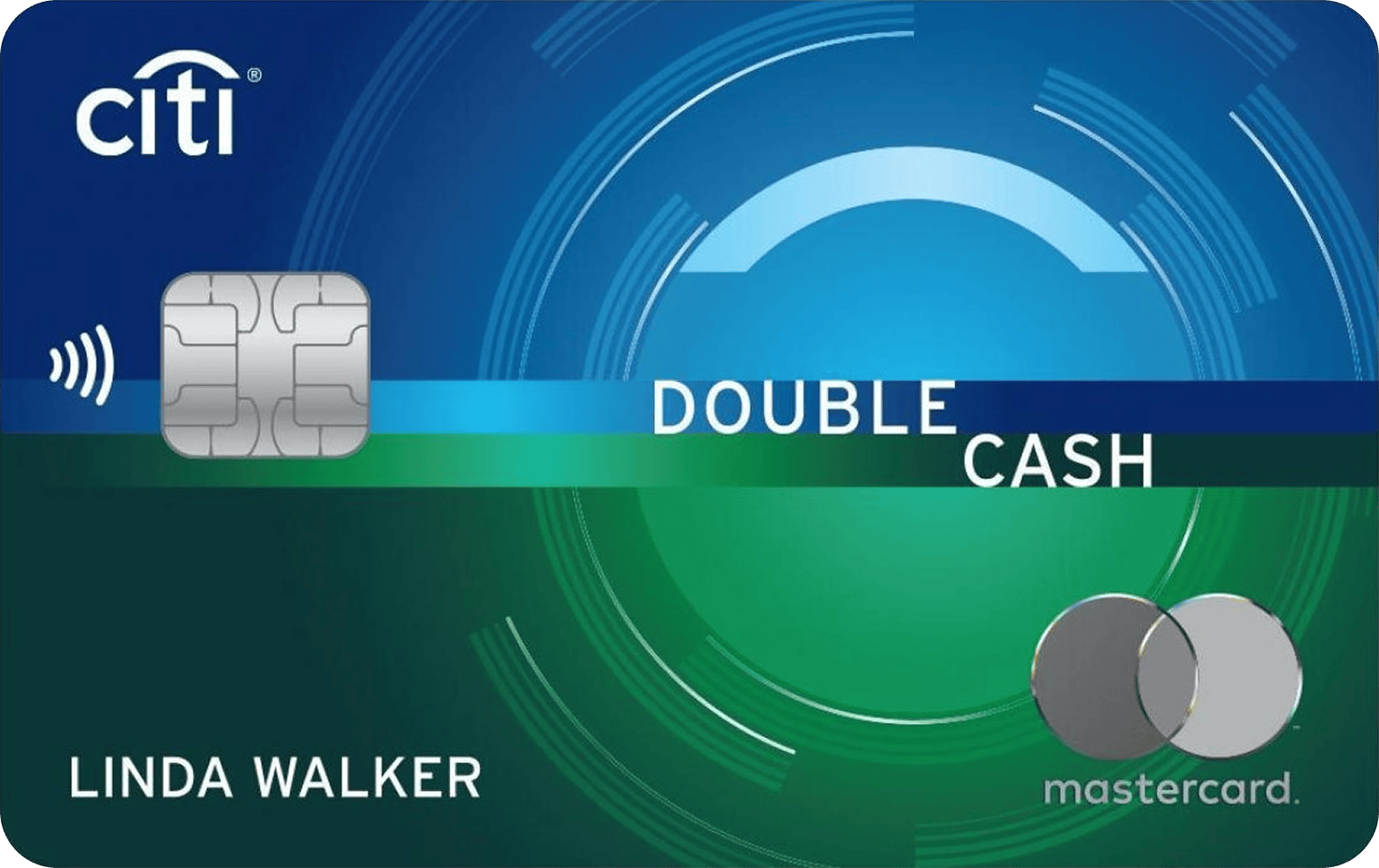
Citi17.49%27.49%
Capital One18.49%28.49%
OpenSky23.89%23.89%
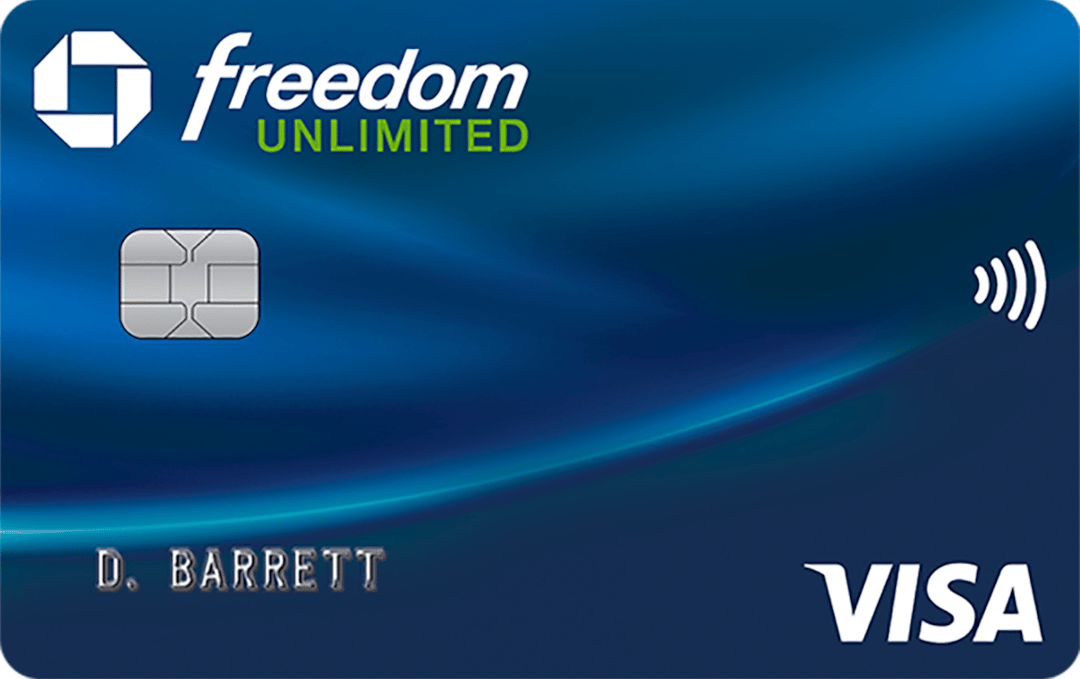
Chase18.24%27.74%
Capital One29.74%29.74%
Discover27.24%27.24%
APR range
See how rates compare across all providers. The bars show the range between lowest and highest rates offered by each company.
Historical Unsecured credit cards Interest Rates
Average rates tracked monthly across 1 providers
Average rates tracked monthly across 1 providers
Average
Lowest
Highest
Aug 2025
21.31%
15.25%
26.31%
Sep 2025
21.65%
15.32%
26.65%
Oct 2025
21.88%
15.37%
26.88%
Nov 2025
21.94%
15.38%
26.94%
Dec 2025
21.77%
15.35%
26.77%
Jan 2026
21.4%
15.27%
26.4%
Feb 2026
20.87%
15.17%
25.87%
Mar 2026
20.28%
15.05%
25.28%
Apr 2026
19.73%
14.94%
24.73%
May 2026
19.32%
14.86%
24.32%
Jun 2026
19.11%
14.81%
24.11%
Jul 2026
19.13%
14.82%
24.13%
Aug 2026
19.99%
14.99%
24.99%
Current Average19.99%↑ 0.86pp
Lowest Available14.99%
Highest Available24.99%
Providers Tracked1
Financer's Choice
Top Rated
Upgrade
APRs range from 7.74% to 35.99%. Origination fees of 1.85% to 9.99% are deducted upfront, which is higher than average. No prepayment penalties. Checking account holders receive up to 20% rate discounts.
Support available by phone and email with generally prompt responses. No live chat option. Customer service reps are knowledgeable about loan terms and the application process.
Repayment terms of 24-84 months with transparent fee disclosures. Joint applications and secured loan options add flexibility. Lowest rates require Autopay and direct creditor payments.
A+ BBB rating. Users praise the fast application and quick funding. Some complaints about credit line decreases and account closures. Overall, the majority report positive experiences.
Get exclusive conditions from the best financial companies
Unsecured credit cards don't require a security deposit. Your credit limit is based entirely on your creditworthiness, income, and existing debt.
That makes them the standard type of credit card most people carry. But "unsecured" covers a huge range, from cards designed for 500 credit scores to premium rewards cards with six-figure limits. Whether you're looking for unsecured credit cards no deposit required or premium rewards, there's a card for your situation.
Use our comparison tool below to filter by your credit level and find cards that match.
What Is an Unsecured Credit Card?
An unsecured credit card is any credit card that doesn't require a security deposit. The card issuer extends you a line of credit based on your financial profile alone.
Most credit cards are unsecured. When people say "credit card" without any qualifier, they're talking about an unsecured card.
The key difference from secured cards is risk. With a secured card, the issuer holds your deposit as collateral. With an unsecured card, the issuer takes on all the risk, which is why these cards typically require better credit and charge higher APRs to borrowers with lower scores.
Unsecured vs. Secured Credit Cards
The unsecured vs secured credit card decision comes down to your credit profile and what you can afford upfront. Here's how they stack up.
Feature
Unsecured Cards
Secured Cards
Security deposit
None required
$200 to $5,000 (refundable)
Credit needed
Fair to excellent (typically 580+)
No minimum (available to all)
Credit limits
Based on creditworthiness ($300 to $50,000+)
Usually equals deposit amount
Typical APR range
14.99% to 35.99%
25% to 30%+
Rewards programs
Common (cash back, points, miles)
Limited or none
Annual fees
$0 to $99+ (varies widely)
$0 to $49 typically
Best for
People with established credit
Building or rebuilding credit
If your credit score is 670 or above, an unsecured card is almost always the better choice. You'll get better rewards, lower fees, and higher credit limits.
If your score is below 580, a secured card may be your most cost-effective option. While some unsecured cards accept scores in the 500s, they tend to charge high fees that eat into your available credit.
Best Unsecured Credit Cards by Credit Level
Not all unsecured cards are created equal. Your credit score determines which cards you can realistically get approved for, and what terms you'll receive.
Best for Bad Credit (300-579)
The Credit One Bank Platinum Visa for Rebuilding Credit is the standout option here. You get a $300+ credit limit with no security deposit, 1% cash back on eligible purchases, and monthly reporting to all three credit bureaus. The tradeoff is a $75 annual fee the first year ($99 after that, billed monthly at $8.25), plus a high variable APR.
The Total Visa Card is another no-deposit option, but the fee structure is steep: a $95 program fee upfront, a $75 to $125 annual fee the first year, and a 35.99% APR. Your starting credit line is $200 to $500, and part of that is consumed by the first-year fee. It does offer 1% cash back on payments.
For bad credit, honestly consider whether a secured card might save you money in the long run. The fees on these unsecured options add up fast.
Best for Fair Credit (580-669)
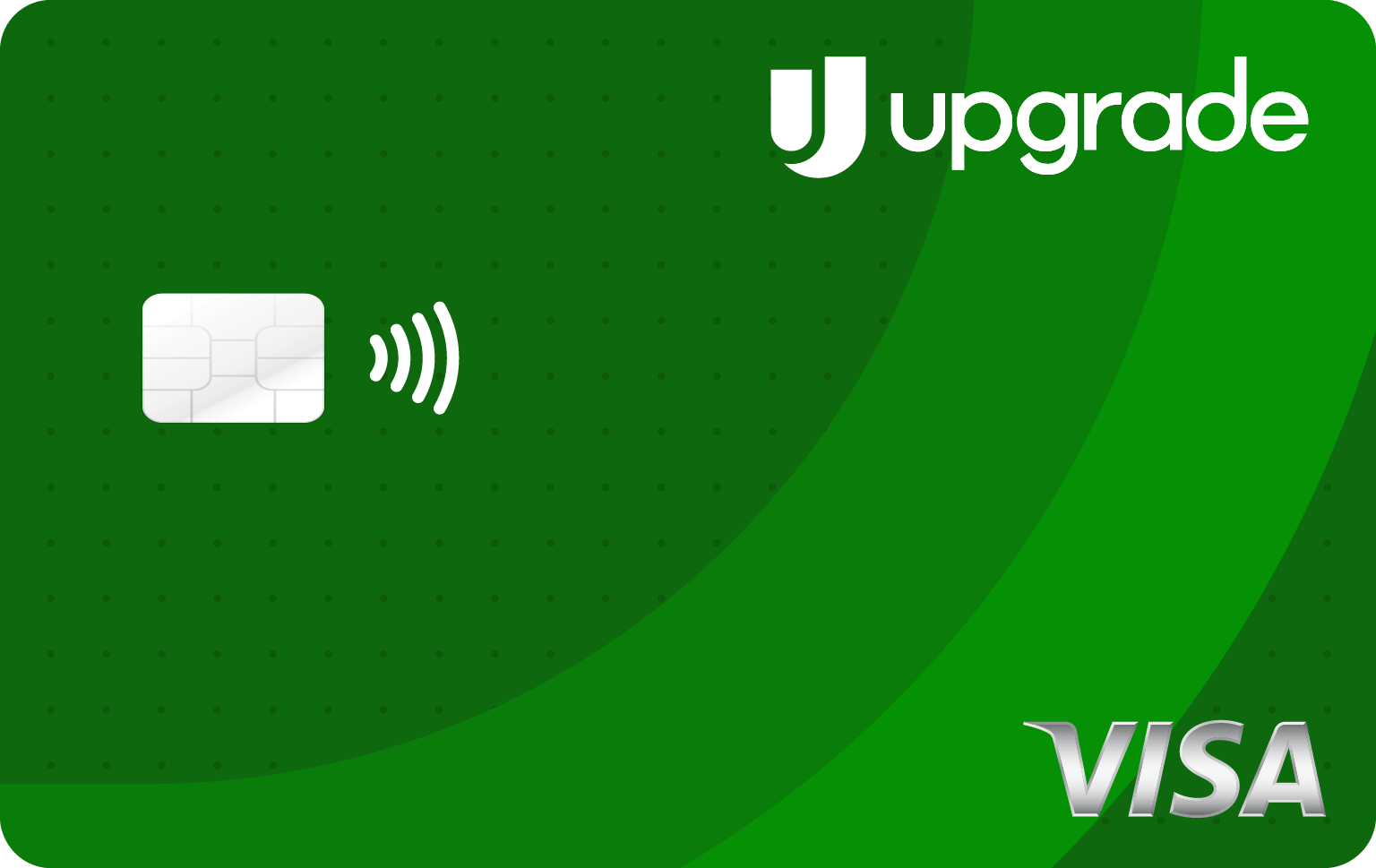
The Upgrade Cash Rewards Visa works differently than a traditional credit card. It functions as a hybrid between a credit card and a personal loan, with credit lines from $500 to $25,000. You earn unlimited 1.5% cash back on every purchase, and there's no annual fee. APR ranges from 14.99% to 29.99%.
The Petal 2 Visa is worth a look if you want zero fees across the board. No annual fee, no late-payment fees, and no returned-payment fees. It also uses alternative data (like banking history) for approval decisions, which makes it one of the better unsecured credit cards for beginners or anyone with a thin credit file.
Best for Good to Excellent Credit (670+)
The PenFed Platinum Rewards Visa Signature Card delivers strong value with no annual fee. You earn 5x points on gas at the pump and EV charging, 3x on supermarkets, restaurants, and streaming services, and 1x on everything else. The APR is 17.99% variable, and new cardholders get a 15,000-point sign-up bonus after spending $1,500 in the first 3 months. There's also a 0% intro APR on balance transfers for 12 months.
At this credit level, you also have access to the full range of rewards credit cards from major issuers, including cash back, travel, and points programs.
How To Choose the Best Unsecured Credit Card
Follow these steps to find the unsecured credit card that fits your financial situation:
Check Your Credit Score
Your credit score determines which cards you qualify for. Scores above 670 open up the best rewards and lowest rates. Scores between 580 and 669 still have solid options. Below 580, your choices narrow significantly, and fees will be higher. You can check your score for free through most banks, Credit Karma, or AnnualCreditReport.com.
Decide What Matters Most: Rewards, Low Fees, or Credit Building
If you're rebuilding credit, prioritize cards that report to all three bureaus (Equifax, Experian, TransUnion) and have manageable fees. If you have good credit, focus on rewards that match your spending patterns. If you carry a balance, a low APR matters more than rewards.
Compare APRs and Fee Structures
Look beyond the annual fee. Some cards charge program fees, monthly maintenance fees, or authorized-user fees that add up quickly. The average unsecured credit card APR is around 25% as of 2026, but rates range from under 15% for excellent credit to over 35% for bad-credit cards.
Use Pre-Qualification Tools
Most major issuers let you check if you're pre-qualified without affecting your credit score. This uses a soft pull instead of a hard inquiry. Take advantage of this before submitting a full application, especially if you're unsure about your approval odds.
Check Credit Limit Expectations
Bad-credit unsecured cards typically start at $200 to $500. Fair-credit cards may offer $500 to $5,000. Good-credit cards can go much higher. Make sure the expected limit meets your needs without encouraging overspending.
Read the Fine Print on Introductory Offers
Some cards offer 0% intro APR periods on purchases or balance transfers. These can save you hundreds in interest, but know when the promotional period ends and what the regular APR jumps to. Balance transfer fees (typically 3% to 5%) also factor into the real cost.
How To Improve Your Approval Odds
Getting denied for an unsecured credit card is frustrating, but there are concrete steps you can take to boost your chances.
Pay down existing debt. Your credit utilization ratio (how much of your available credit you're using) accounts for about 30% of your FICO score. Keeping it below 30% helps, and below 10% is ideal.
Become an authorized user. Ask a family member with good credit to add you to their card. Their positive payment history can boost your score.
Dispute credit report errors. About 1 in 5 Americans has an error on at least one credit report. Fixing these can provide an immediate score bump.
Wait between applications. Each hard inquiry can ding your score by a few points. Space applications at least 3 to 6 months apart.
Start with a secured card if needed. Many issuers let you graduate from a secured card to an unsecured card after 6 to 12 months of responsible use, often with your deposit refunded.
Fees and Costs To Watch Out For
Unsecured credit cards for lower credit scores often come with fees that can eat into your available credit before you even make a purchase.
Program or processing fees ($25 to $95) charged once when you open the account
Annual fees ($0 to $125+) that may be deducted from your credit limit in the first year
Monthly maintenance fees ($5 to $12.50/month) on some subprime cards, adding up to $150/year
Authorized user fees ($20 to $30/year per user) on some cards
Cash advance fees (3% to 5% of the amount, often with a $10 minimum)
Late payment fees (up to $41 for repeat offenses under CFPB rules)
Foreign transaction fees (3% on purchases made outside the U.S.)
Unsecured Credit Cards - FAQs
What is an unsecured credit card?
An unsecured credit card is a credit card that doesn't require a security deposit. The issuer extends a line of credit based on your creditworthiness, income, and existing debt. Most standard credit cards are unsecured.
What credit score do you need for an unsecured credit card?
It depends on the card. Some unsecured cards accept scores as low as 500 to 550, though they come with high fees and low limits. For the best terms and rewards programs, you'll generally need a score of 670 or higher. Scores between 580 and 669 have solid mid-range options with reasonable fees.
What is the easiest unsecured credit card to get?
Cards like the Credit One Bank Platinum Visa for Rebuilding Credit and the Total Visa Card are among the easiest unsecured cards to get approved for, as they're designed for people with bad or limited credit. However, they come with higher fees than secured card alternatives.
Who has the best unsecured credit card?
It depends on your credit profile. For bad credit, the Credit One Bank Platinum Visa offers a path to rebuilding with no deposit. For fair credit, the Upgrade Cash Rewards Visa provides 1.5% cash back with no annual fee. For good credit, the PenFed Platinum Rewards Visa Signature Card delivers 5x points on gas with no annual fee.
What unsecured credit card has a $1,000 limit with bad credit?
Most unsecured cards for bad credit start with limits of $200 to $500. Reaching a $1,000 limit with bad credit typically requires either the Upgrade Cash Rewards Visa (which offers lines from $500 to $25,000 based on income and creditworthiness) or building your score with a lower-limit card first and requesting an increase after 6 to 12 months of on-time payments.
Is an unsecured credit card better than a secured credit card?
Neither is universally better. Unsecured cards are better if you qualify for good terms, since they offer higher limits, better rewards, and no deposit requirement. Secured cards are better for people with very low scores because they have lower fees and are easier to get approved for. Many people start with a secured card and graduate to an unsecured card after building their credit.
Can you get an unsecured credit card with no credit history?
Yes, but your options are limited. Cards like the Petal 2 Visa use alternative data such as your banking history for approval decisions, which helps if you have no traditional credit file. Student credit cards are another path to an unsecured card without established credit.