we can't guarantee the complete accuracy on a day-to-day
Filters
Interest free period
Annual fees
Benefits
Network
Product Statistics
A complete breakdown of all data points across the products in this comparison to help you make the right decision.
Cash back
5 (71.4%)
Rewards
5 (71.4%)
Secured
3 (42.9%)
Personal
7 (100%)
Balance transfer
1 (14.3%)
Annual fee
$0 - $35 ($5.83)
APR range
14.99% - 29.99% (24.62%)
Interest free period
21 - 25 (23.57)
Base reward rate
1% - 2% (1.5%)
Extended warranty
1 (14.3%)
Minimum age
18 - 18 (18)
Statistics based on 7 Credit cards products in our database.
CompanyLowestHighest
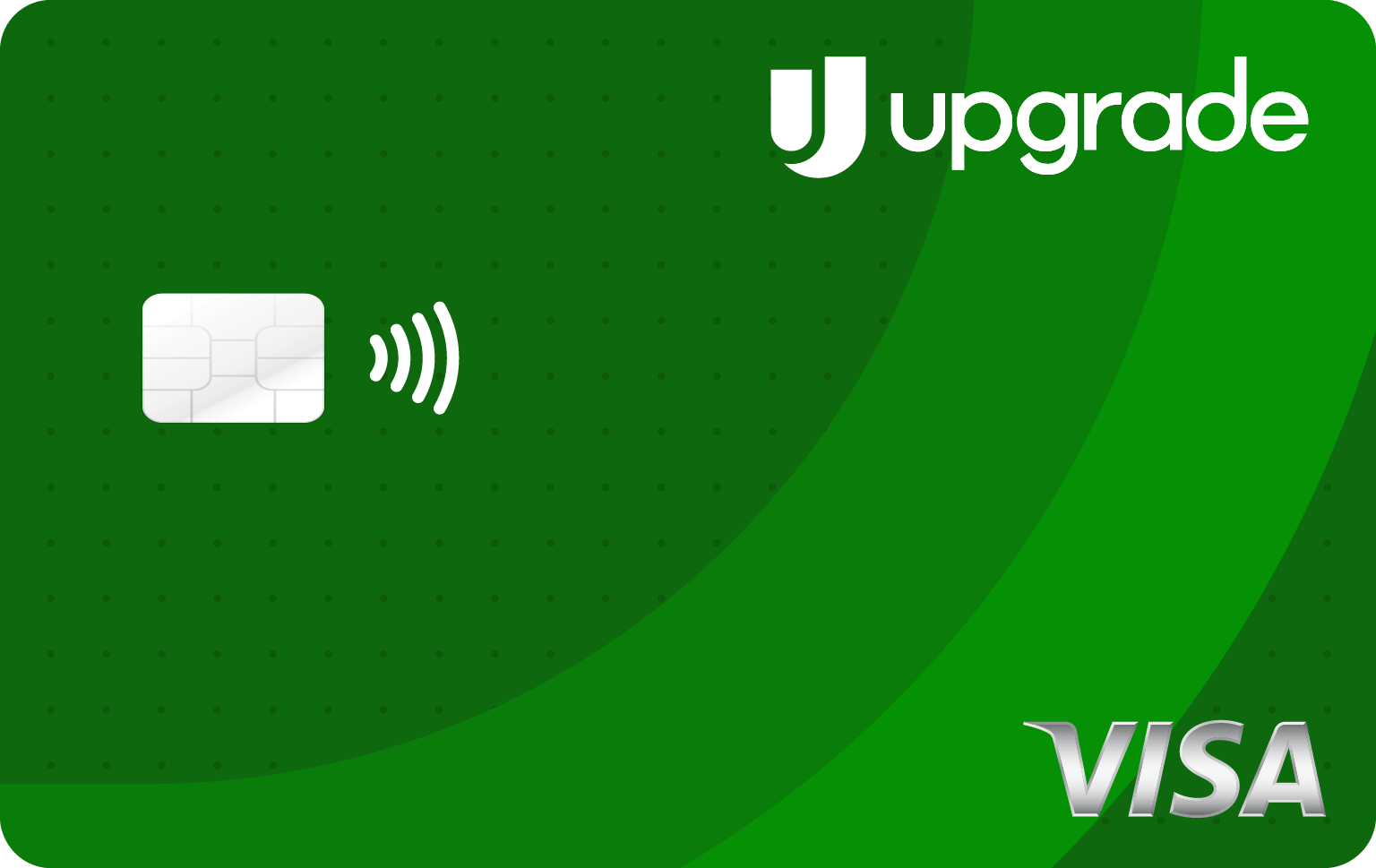
Upgrade14.99%29.99%
Citi17.49%27.49%
Capital One18.49%28.49%
OpenSky23.89%23.89%
Chase18.24%27.74%
Capital One29.74%29.74%
Discover27.24%27.24%
APR range
See how rates compare across all providers. The bars show the range between lowest and highest rates offered by each company.
Historical No annual fee credit cards Interest Rates
Average rates tracked monthly across 1 providers
Average rates tracked monthly across 1 providers
Average
Lowest
Highest
Aug 2025
21.31%
15.25%
26.31%
Sep 2025
21.65%
15.32%
26.65%
Oct 2025
21.88%
15.37%
26.88%
Nov 2025
21.94%
15.38%
26.94%
Dec 2025
21.77%
15.35%
26.77%
Jan 2026
21.4%
15.27%
26.4%
Feb 2026
20.87%
15.17%
25.87%
Mar 2026
20.28%
15.05%
25.28%
Apr 2026
19.73%
14.94%
24.73%
May 2026
19.32%
14.86%
24.32%
Jun 2026
19.11%
14.81%
24.11%
Jul 2026
19.13%
14.82%
24.13%
Aug 2026
19.99%
14.99%
24.99%
Current Average19.99%↑ 0.86pp
Lowest Available14.99%
Highest Available24.99%
Providers Tracked1
Financer's Choice
Top Rated
Upgrade
APRs range from 7.74% to 35.99%. Origination fees of 1.85% to 9.99% are deducted upfront, which is higher than average. No prepayment penalties. Checking account holders receive up to 20% rate discounts.
Support available by phone and email with generally prompt responses. No live chat option. Customer service reps are knowledgeable about loan terms and the application process.
Repayment terms of 24-84 months with transparent fee disclosures. Joint applications and secured loan options add flexibility. Lowest rates require Autopay and direct creditor payments.
A+ BBB rating. Users praise the fast application and quick funding. Some complaints about credit line decreases and account closures. Overall, the majority report positive experiences.
Get exclusive conditions from the best financial companies
Best No Annual Fee Credit Cards in the US 2026
No annual fee credit cards are the best long-term credit cards for most people because you can keep them open without paying a yearly charge. The right one can earn cash back, cover travel, give you a 0% intro APR window, or help you build credit.
The catch is simple: a $0 annual fee does not make a card free. If you carry a balance, pay a foreign transaction fee, miss a payment, or redeem rewards poorly, the card can still cost more than it gives back.
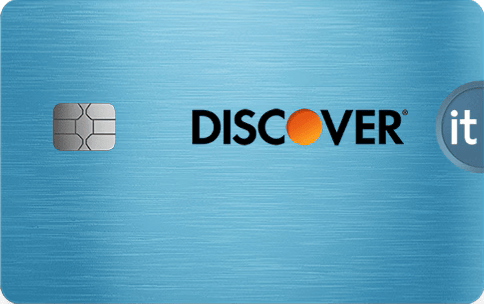
Our top no-fee picks for 2026 start with Wells Fargo Active Cash, Chase Freedom Unlimited, Capital One Savor, Discover it Cash Back, Citi Double Cash, and Bank of America Customized Cash Rewards. Each one has a different job. Your job is to match the card to how you already spend, then read the Schumer Box before you apply.
If you are still choosing between card types, start with our credit cards guide. If your main goal is broader points or travel value, compare this page with our rewards credit cards guide before you apply.
Best no annual fee credit cards in the US 2026: top picks
The best no fee credit cards are not all trying to solve the same problem. Some are built for people who want one card and no maintenance. Others work better as a second card for dining, groceries, travel bookings, or rotating categories.
We ranked cards by reward value, simplicity, Schumer Box costs, intro APR usefulness, foreign transaction fees, redemption flexibility, and whether the card makes sense to keep open after the sign-up offer ends.
Use this table as the starting point. Then check the issuer's current pricing and terms before you apply because APR ranges, bonus offers, and balance transfer fees can change.
Card
Best for
Rewards snapshot
Annual fee
Main watchout
Wells Fargo Active Cash
Flat-rate cash back
Unlimited 2% cash rewards on purchases
$0
3% foreign transaction fee
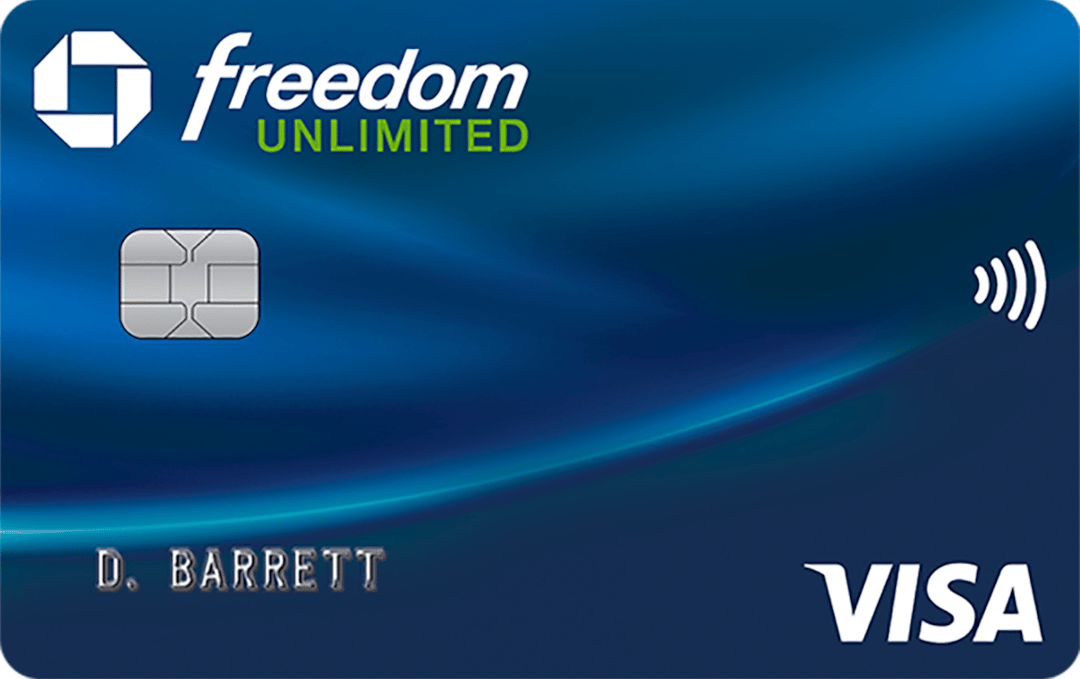
Chase Freedom Unlimited
Everyday rewards inside Chase
1.5% on all purchases, 3% dining and drugstores, 5% Chase Travel
$0
Not the best card for overseas spending
Capital One Savor
Dining, groceries, entertainment, and travel abroad
3% dining, grocery stores, entertainment, and streaming, plus 5% Capital One Travel
$0
Not a pure 2% flat-rate card
Discover it Cash Back
Rotating 5% categories
5% on activated quarterly categories up to the quarterly cap, then 1%
$0
Requires activation and category tracking
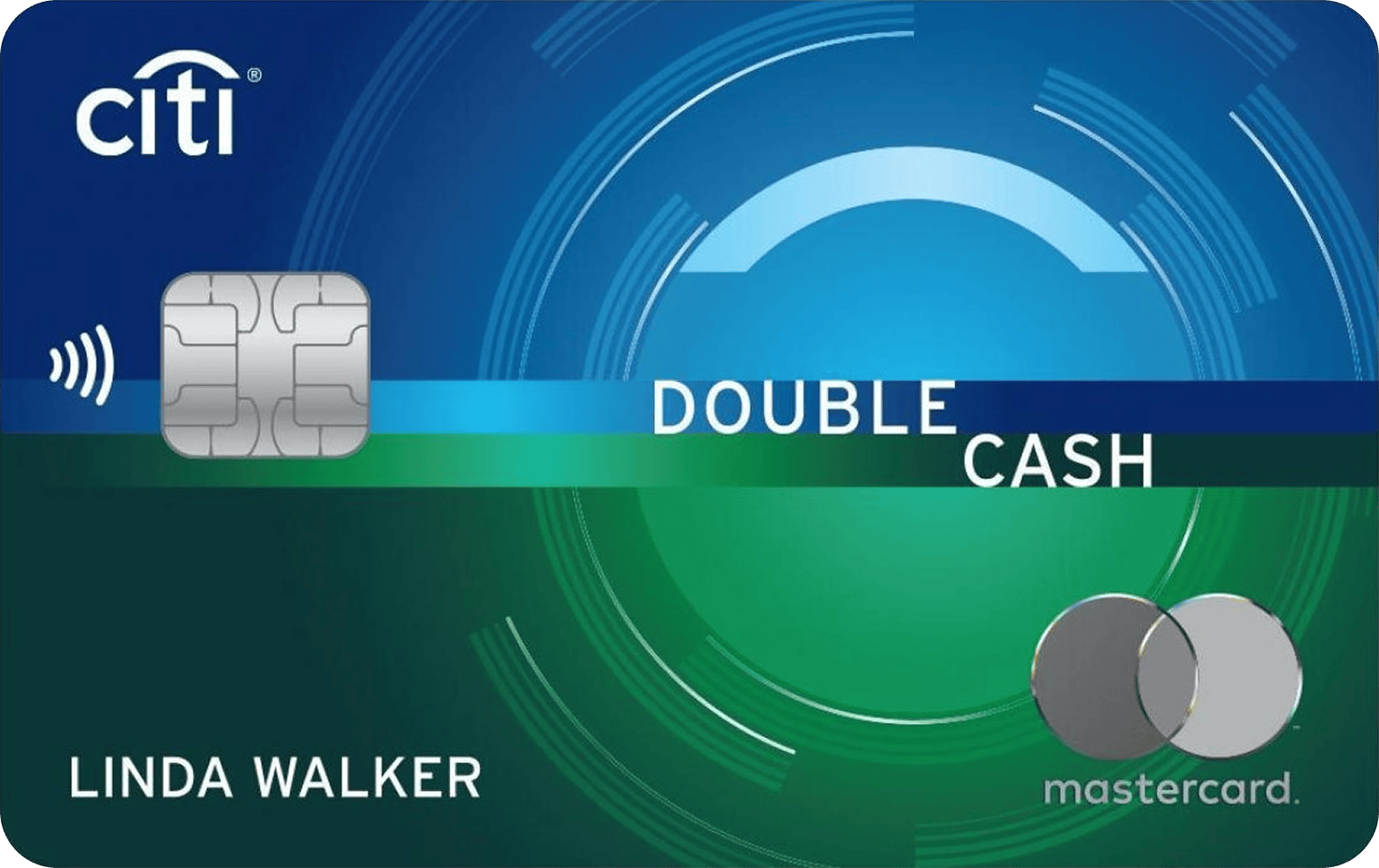
Citi Double Cash
Simple 2% structure
1% when you buy and 1% as you pay
$0
3% foreign purchase fee
Bank of America Customized Cash Rewards
Flexible category cash back
3% choice category, 2% grocery stores and wholesale clubs, 1% other purchases
$0
Quarterly cap on 3% and 2% categories
How we ranked no annual fee rewards cards
A no-fee card earns its place only if it gives you value after the welcome offer fades. That is why we put more weight on ongoing earn rates and fees than on short-term promotions.
For example, a $200 bonus is useful, but a card that earns 2% back on every purchase can be worth more over several years. A card with 5% rotating categories can beat that, but only if you activate the categories and spend where the bonus applies.
We also looked at whether the card creates hidden work. If you need a spreadsheet to remember categories, portals, caps, and redemption rules, the reward rate needs to be meaningfully higher to justify the effort.
Ranking criteria
Annual fee: $0 annual fee was required. Cards with waived first-year fees did not qualify unless the ongoing fee is also $0.
Ongoing rewards: We favored cards that earn useful cash back or points after the intro offer ends.
Ease of use: Flat-rate and automatic-category cards scored better than high-maintenance cards with narrow categories.
Intro APR and regular APR: A 0% intro APR can help, but the regular purchase APR matters if you ever carry a balance.
Foreign transaction fees: We gave extra credit to 0 annual fee credit cards that also avoid foreign transaction fees.
Schumer Box clarity: We prioritized cards with transparent APR, fee, grace period, and penalty terms.
Detailed comparison: rewards, intro APRs, APR and fees
Here is where no annual fee cashback cards can get tricky. The marketing page shows rewards. The Schumer Box shows the cost of borrowing.
The Federal Reserve's June 5, 2026 G.19 release shows that credit card accounts assessed interest averaged 21.52% in Q1 2026. That is the number to keep in your head while comparing rewards.
A card that earns 2% cash back gives you $20 on $1,000 of spending. Carry that same $1,000 balance for a year at about 21.52%, and the rough interest cost is about $215 before compounding. In plain English, one year of interest can erase many years of rewards.
Card
Intro APR snapshot
Regular purchase APR snapshot
Foreign transaction fee snapshot
Best use
Wells Fargo Active Cash
0% intro APR for 12 months on purchases and qualifying balance transfers
18.49%, 24.49%, or 28.49% variable APR
3%
Domestic flat-rate cash back
Chase Freedom Unlimited
0% intro APR for 15 months on purchases and balance transfers
18.24% to 27.74% variable APR
Check current pricing terms before travel
Everyday rewards and Chase Travel
Capital One Savor
0% intro APR for 12 months on purchases and balance transfers
18.49% to 28.49% variable APR
$0
Dining, groceries, entertainment, and travel
Discover it Cash Back
Intro APR may be available for eligible customers
Variable APR disclosed in current terms
Check current pricing terms
Activated quarterly bonus categories
Citi Double Cash
Balance transfer intro offers may be available
Variable APR disclosed in current terms
3%
Simple cash back if you pay in full
Bank of America Customized Cash Rewards
0% intro APR for the first 15 billing cycles on purchases and eligible balance transfers
17.49% to 27.49% variable APR
Check current pricing terms
Flexible choice categories
Card-by-card breakdown
This is how we would think about each card if we were choosing one for our own wallet. The goal is not to collect every no-fee card. The goal is to pick the smallest setup that covers your actual spending.
Wells Fargo Active Cash: best flat-rate no-fee card
Wells Fargo Active Cash is the easiest card on this list to understand. It earns unlimited 2% cash rewards on purchases, has a $0 annual fee, and does not require category activation.
That makes it a good default card for groceries outside bonus caps, insurance, utilities, medical bills, home repairs, and random purchases that do not fit a category.
The weakness is international spending. Wells Fargo discloses a 3% fee for each foreign transaction amount converted to U.S. dollars. So if you travel often, pair it with a no-foreign-fee card instead of using it abroad.
Chase Freedom Unlimited: best simple Chase card
Chase Freedom Unlimited is useful if you want a no-fee card that earns more than 1% in common categories. Chase lists 1.5% cash back on all purchases, 3% on dining and drugstores, and 5% on travel purchased through Chase Travel.
It is especially strong if you already use Chase or plan to combine it with a premium Chase travel card later. On its own, it is a flexible no annual fee rewards card with a clean earning structure.
The tradeoff is that it is not our first pick for international purchases. If foreign transaction fees matter to you, compare it against Capital One Savor or another no-foreign-fee card before applying.
Capital One Savor: best no-fee card for dining and travel abroad
Capital One Savor is one of the strongest no annual fee rewards cards for people who spend heavily on dining, groceries, entertainment, and streaming. It also avoids foreign transaction fees, which is rare for a mainstream no-fee cash back card.
Capital One lists 3% cash back at grocery stores, on dining, entertainment, and popular streaming services, 5% on hotels, vacation rentals, and rental cars booked through Capital One Travel, and 1% on other purchases.
That mix makes Savor a good everyday card for a household that eats out, buys groceries, streams, and travels a few times a year. It is less compelling if you want one card that earns the same rate on everything.
Discover it Cash Back: best rotating category card
Discover it Cash Back is built for people who will do a little work. You earn 5% cash back on activated quarterly categories up to the spending cap, then 1% after that and on other purchases.
That can be excellent when categories line up with groceries, restaurants, gas stations, Amazon, or other normal spending. It can also be easy to forget. If you miss activation or do not spend in the quarter's categories, the card behaves more like a 1% card.
The first-year Cashback Match can make the card more valuable for new cardmembers, but do not choose it only for the intro hook. Choose it if you are comfortable checking categories every quarter.
Citi Double Cash: best simple two-step cash back
Citi Double Cash is another simple option: 1% cash back when you buy and 1% as you pay, with no annual fee. The structure quietly encourages the right behavior because half of the reward comes when you pay the bill.
It works best for people who pay in full and want a low-maintenance card. It is not exciting, but boring can be a feature when your goal is reliable cash back.
The foreign purchase fee is the main drawback. Citi discloses a 3% fee for foreign purchases, so this is better as a domestic spending card than a travel wallet card.
Bank of America Customized Cash Rewards: best flexible category card
Bank of America Customized Cash Rewards is useful if your biggest category changes during the year. The card lets you choose a 3% category, earns 2% at grocery stores and wholesale clubs, and earns 1% on other purchases.
The important detail is the cap. Bank of America applies the higher 3% and 2% rates to the first $2,500 in combined purchases each quarter in the choice category, grocery stores, and wholesale clubs. After that, purchases earn 1%.
If you bank with Bank of America or Merrill and qualify for Preferred Rewards, the card can become more valuable. If you do not, it is still a practical no-fee category card, but not a replacement for a flat 2% card.
Who each card is best for
A good card is not good in the abstract. It is good for a specific person, spending pattern, and credit profile.
If your credit score is low, do not start with premium rewards logic. Start with approval odds, bureau reporting, and fees. Our guide to credit cards for a low credit score is the better place to compare rebuilder options.
If you are rebuilding, a secured credit card may be more realistic than a mainstream rewards card. If you want to avoid a hard pull during the early shopping phase, review soft-pull credit cards before submitting full applications.
Best fit by reader type
One-card simplicity: Wells Fargo Active Cash or Citi Double Cash.
Dining, groceries, and travel abroad: Capital One Savor.
Chase ecosystem: Chase Freedom Unlimited for simple earning or Freedom Flex if you like rotating categories.
Maximum category rewards: Discover it Cash Back or Chase Freedom Flex, if you activate quarterly categories.
Flexible home category: Bank of America Customized Cash Rewards.
Credit building: Start with low-score or secured options before chasing rewards.
Why no annual fee does not mean no cost
The phrase 0 annual fee credit cards sounds clean. It only means the issuer does not charge a yearly membership fee. It does not remove interest, late fees, returned payment fees, cash advance fees, balance transfer fees, or foreign transaction fees.
Here is the math we would use. If a no-fee card earns 2% on $15,000 of annual purchases, that is $300 in rewards before taxes or redemption limits. If you carry a $2,000 balance for a year at 21.52%, the rough interest cost is about $430 before compounding.
That is why the first rule is to pay the statement balance in full. Rewards are useful only when they sit on top of good payment behavior.
Scenario
Annual spend or balance
Reward or cost
What it means
2% cash back, paid in full
$15,000 annual spend
$300 cash back
Great value if you avoid interest
5% category, full cap all year
$1,500 per quarter
$300 cash back
Strong, but only if categories fit and you activate
Carrying a balance
$2,000 for about one year at 21.52%
About $430 interest before compounding
Interest can wipe out rewards
3% foreign transaction fee
$2,000 abroad
$60 fee
A no-fee card can still be expensive overseas
When an annual-fee card can still beat a no-fee card
A no-fee card is usually the best starting point. It is not always the best final setup.
Say a $95 annual-fee card earns 3% in your biggest spending category and a no-fee card earns 1.5%. If you spend $10,000 in that category, the annual-fee card earns $300 and the no-fee card earns $150. After the $95 fee, the annual-fee card is still ahead by $55.
But that math only works if you pay in full and actually use the bonus categories or credits. If you carry a balance, the APR matters more than the fee. In that case, the better card is the one you can pay off, not the one with the bigger rewards headline.
Your rights under the CARD Act and CFPB rules
Credit cards are governed by card-specific consumer protections. This is not a mortgage or installment-loan framework. For this page, the right lens is the CARD Act, Regulation Z credit card rules, and the CFPB.
For example, required fees during the first year after account opening generally cannot exceed 25% of the initial credit limit. CFPB rules also address penalty fees, inactivity fees, statement timing, and how significant changes in terms must be disclosed.
Most important changes require 45 days' notice. Card issuers also need reasonable procedures to send periodic statements at least 21 days before the due date on credit card accounts. These rules do not make a bad card good, but they do give you a baseline for what to expect from legitimate issuers.
How to choose the best no annual fee card
Start with your largest predictable spending category. If nothing stands out, choose a flat-rate card. If dining and groceries dominate, choose a category card. If travel abroad matters, make foreign transaction fees a deciding factor.
Then decide how much effort you want. Rotating 5% cards can be powerful, but only if you activate categories and remember which card to use. If that sounds annoying, take a lower fixed rate and move on.
Finally, check the exit value. A good no-fee card should be worth keeping even if you stop using it every week. That helps your average account age and available credit, both of which can support your FICO score when managed responsibly.
Use this order before you apply for no annual fee credit cards.
A simple decision process
Pick the job
Decide whether the card is for flat-rate rewards, categories, travel, a 0% intro APR, or credit building.
Check your credit fit
If your FICO score is below the typical approval range, look at prequalification, secured cards, or low-score cards first.
Read the Schumer Box
Confirm purchase APR, intro APR length, balance transfer fees, foreign transaction fees, late fees, and grace period.
Run the rewards math
Estimate annual rewards using your real spending. Ignore categories you will not use.
Apply for one card at a time
Submit the strongest application first. Too many hard inquiries can make later approvals harder.
Our take
For most people, the best no annual fee credit card is boring in the best possible way: it earns useful rewards, charges no yearly fee, and does not tempt you into carrying a balance.
If we were building a simple two-card setup, we would start with one flat-rate card and one category card. A 2% card can cover everything. A dining, grocery, travel, or rotating-category card can handle the spending that deserves extra rewards.
The rule that matters most is still the same: pay in full. No annual fee rewards cards are excellent tools when you use them as payment cards. They become expensive loans when you use them to carry debt.
Frequently asked questions
Are no annual fee credit cards worth it?
Yes, no annual fee credit cards are worth it if you pay in full and choose a card that matches your spending. They are especially good as long-term keeper cards because you can keep the account open without paying a yearly fee.
Do no annual fee cards earn less rewards?
Sometimes, but not always. Many no annual fee cashback cards earn 1.5% to 2% on everyday purchases, and some earn 3% to 5% in bonus categories. Annual-fee cards can offer richer perks, but only make sense when the extra rewards or credits beat the fee.
What is the catch with 0 annual fee credit cards?
The catch is that other costs still apply. You can still pay purchase APR, balance transfer fees, cash advance fees, late fees, returned payment fees, and foreign transaction fees. The annual fee is only one line in the Schumer Box.
Which no annual fee card is best for cash back?
For simple cash back, Wells Fargo Active Cash and Citi Double Cash are strong because they earn around 2% on everyday purchases. For category cash back, Capital One Savor, Discover it Cash Back, Chase Freedom Flex, and Bank of America Customized Cash Rewards can earn more when the categories match your spending.
Can I get a no annual fee credit card with bad credit?
Yes, but mainstream rewards cards may be harder to qualify for with bad credit. A secured card or a card designed for low credit scores may be a better first step. Prioritize cards that report to all three credit bureaus and avoid monthly maintenance fees.
Do no annual fee cards have foreign transaction fees?
Some do and some do not. Capital One Savor currently has no foreign transaction fees, while several simple cash back cards charge around 3% on foreign purchases. Always check the Schumer Box before using a card abroad.